Being exposed to the elements throughout the year can bring lawns a unique set of challenges with each season. Summer heatwaves can make it hard for lawns to maintain their lush green appeal, while the falling leaves of autumn can threaten root systems if not appropriately handled. Winter frost and snow can also pose a threat to lawns, leaving homeowners with some work to do when spring arrives.
Spring is a season of revival, and that spirit of rejuvenation extends to lawns. When the last signs of winter begin to disappear, homeowners can dust off their gardening gloves and start taking steps to revitalize their lawns for the months ahead.
• Look for signs of damage. Winter can be hard on lawns, and homeowners need to look for signs of damage before they begin planning any springtime landscaping projects. Salt damage can occur in areas that received heavy snowfall over the winter. Many communities use rock salt to de-ice snow-and ice-covered roads. Primarily made up of sodium chloride, rock salt can draw moisture from grass and cause it to brown. Salt trucks used during winter storms often spit salt out onto lawns, so don’t be surprised if you notice brown spots on your grass, especially in those areas closest to the road. Winter lawn damage may also be caused by voles, burrowing mouse-like rodents that make paths beneath the snow to hide from predators and feed on grass blades and roots. Distinctly matted areas may be signs of damaged grass caused by snow mold that can weaken turf.
• Consult a professional landscaper. Homeowners with considerable experience tending to damaged lawns can no doubt identify and address problems on their own. That’s because many problems are a result of the weather, which tends to be reoccurring problems from one year to the next. But inexperienced homeowners should consult professional landscapers before attempting to address problems on their own. A variety of factors may cause winter lawn damage that can produce similar symptoms, and professional landscapers can identify the culprits behind such damage and provide the most effective solutions to restore the lawn.
• Remove debris. A light raking can help remove any debris that accumulated over the winter. Debris such as fallen branches and fallen leaves left behind from the final days of fall can prevent lawns from getting the sun and water they need to thrive. Remove this debris, but make sure the grass is not frozen when you do, as walking on frozen grass can cause further damage.
• Let the grass grow. Mowing the lawn is a chore, reserved for spring, summer and maybe early fall, but homeowners mustn’t jump the gun and mow too early after winter. A patient approach allows the grass to reestablish itself, so let it grow a little higher than you normally would before the first cut. When the grass is roughly 4.5 inches high, you can cut it down to three inches and then maintain your normal mowing routine throughout the rest of spring and summer.
Revitalizing lawns in springtime is a priority for many homeowners, who should always consult landscaping professionals if they feel uncertain about addressing any damage they discover during their post-winter lawn inspections.



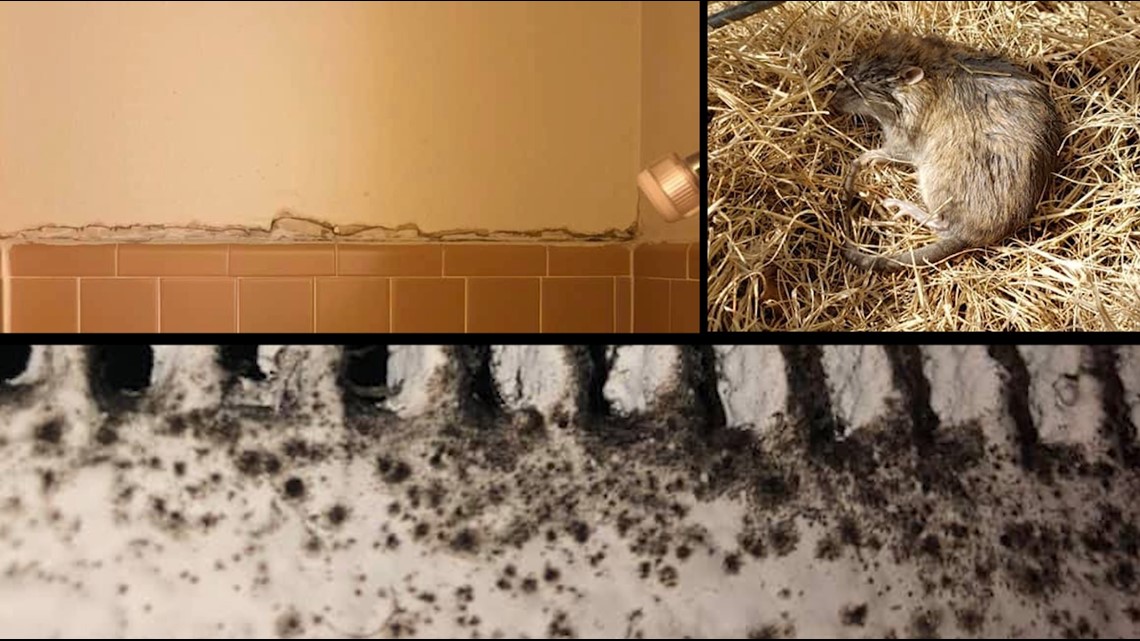


 Damage Mold