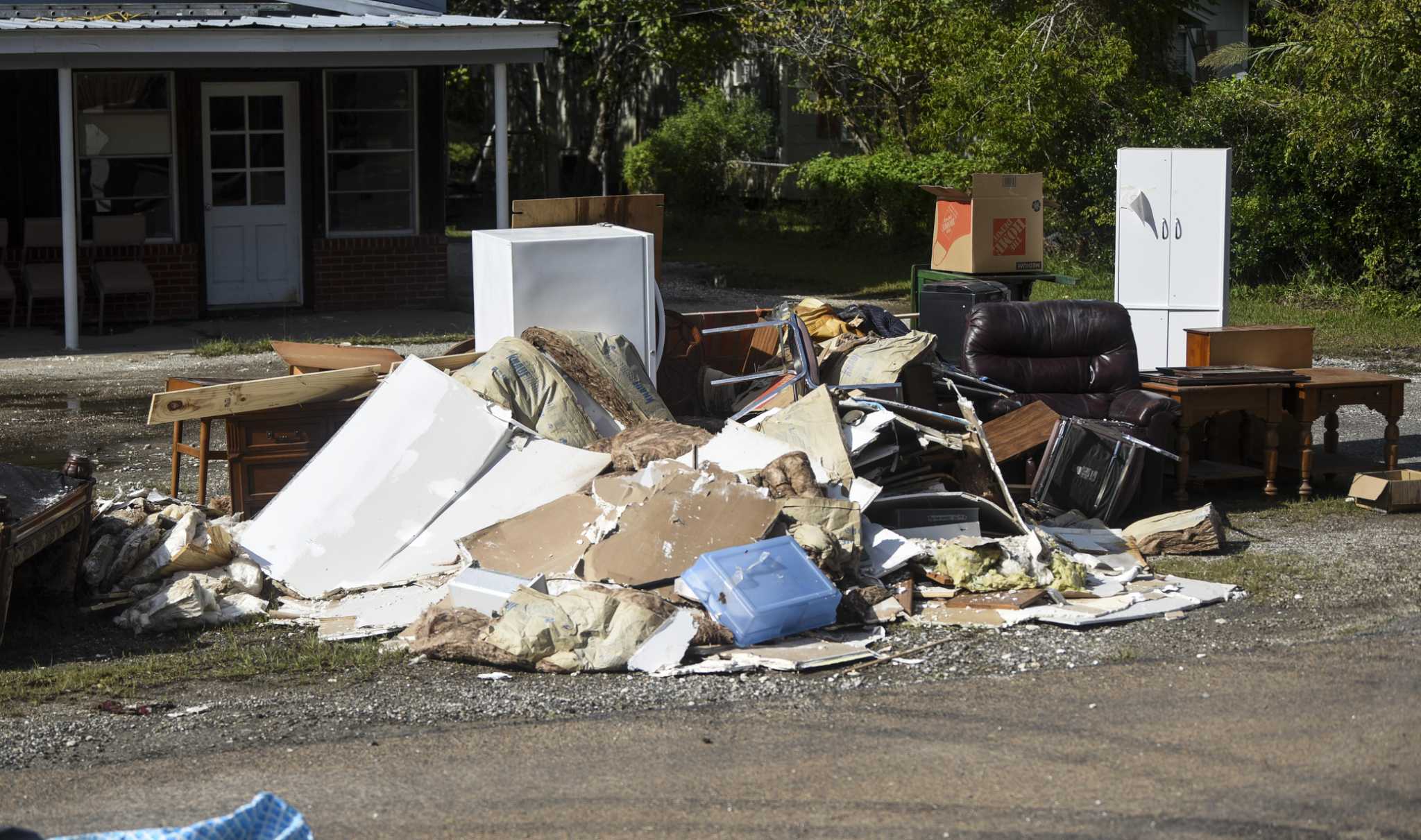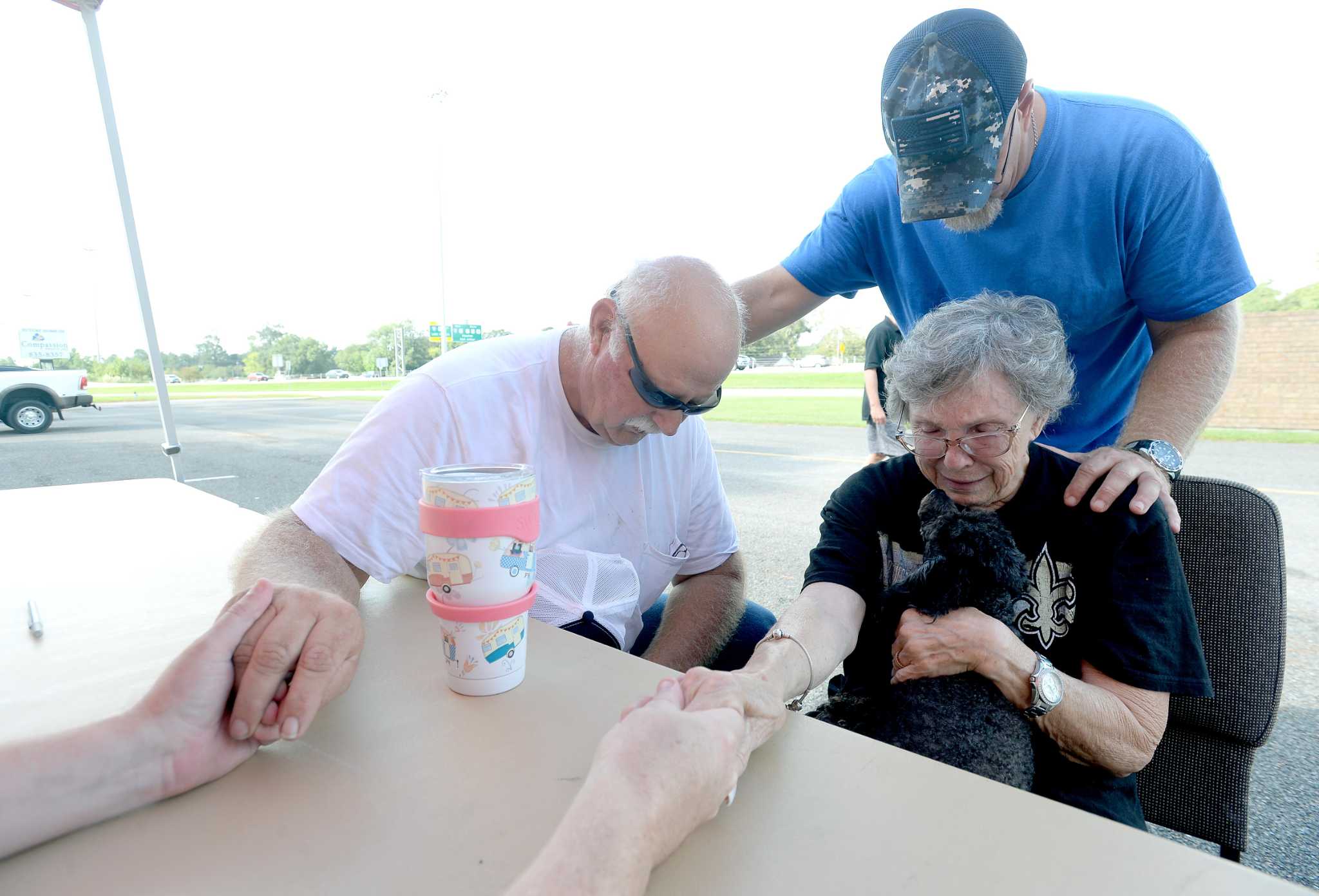
Imelda: Resources and ways to find help after the storm — Beaumont Enterprise

Updated

Submit information to be added to this list to localnews@beaumontenterprise.com.

Schools: In or out

While many Southeast Texas schools were damaged in the wake of Tropical Storm Imelda, most students in the region are returning to school this week. Find the latest updates on individual district’s social media.

Beaumont ISD: All schools, except for Beaumont United High School and Fehl-Price Elementary, will reopen Thursday. All employees are expected to return Wednesday.

Bob Hope School: The charter school resumed classes Monday.

Bridge City ISD: All schools resumed classes Monday.

Buna ISD: Classes resumed Monday.

Colmesneil ISD: Classes resumed Monday.

Deweyville ISD: Classes resumed Monday.

East Chambers ISD: Classes are expected to resume Tuesday.

Ehrhart School: Classes resumed Monday.

Evadale ISD: Classes are to resume Tuesday.

Hamshire-Fannett ISD: Three of the districts four schools damaged. Dual credit morning and online classes will resume Wednesday and meet at the elementary school in Fannett.

Hardin-Jefferson ISD: All campuses will reopen Thursday.

High Island ISD: Classes resumed Monday.

Hull-Daisetta ISD: Classes resumed Monday.

Kountze ISD: Classes resumed Monday.

Liberty ISD: Classes resumed Monday.

Little Cypress-Mauriceville CISD: Classes are expected to resume Thursday.

Lumberton ISD: Classes resumed Monday.

Nederland ISD: Classes resumed Monday.

Orangefield ISD: Classes are expected to resume Wednesday.

Port Arthur ISD: Classes resumed Monday.

Port Neches-Groves ISD: Classes resumed Monday.

Sabine Pass ISD: Classes resumed Monday.

Vidor ISD: Students will return to class Oct. 1

Need help?

The Red Cross announced Monday that it has opened a shelter at the Orange Church of God, 1907 N. 16th in Orange. It replaces the shelter at the Orange County Expo Center, which has closed. Those needing shelter should bring ID, clothing and medications. Pets will be crated outdoors under cover.

Crisis Clean Up matches vetted volunteers and agencies with those needing assistance with clean up and repair of damaged homes, including removing fallen trees, damaged drywall and furnishings. 800-451-1954, crisiscleanup.org.

Operation Blessing invites Southeast Texans who need help with post-Imelda cleanup are invited come in person to fill out a work request for free volunteer help at Cathedral Church, 2350 Eastex Freeway, daily from 9:30 a.m.to 4:30 p.m. All residents must fill out a work order form and sign a release form in person, allowing volunteer teams access to your property. Volunteers will not be able to do work without a form signed by the homeowner. Priority is given based on need (elderly, sick, disabled, etc) and is based on volunteer availability. Volunteer services offered include debris removal and help finding and sorting salvageable belongings. For more information, call 800-730-2537.

Education First Federal Credit Union has partnered with 12News and the Beaumont Enteprise to create the Imelda Educators Relief Fund to assist teachers whose classrooms were impacted the the tropical storm. Teachers can apply for assistance at educationfirstfcu.org/Resources/Member-Services/Educator-Relief-Fund.

Optum, a health and behavioral health services company, is offering an emotional-support help line: 866-342-6892. It is open 24/7, is free of charge and is open to anyone. Trained mental health specialists can help people manage their stress; callers may also receive referrals to local resourses for specific concerns.

Want to help?

Operation Blessing, which helps with disaster clean up, will be accepting volunteers daily starting Tuesday. Volunteers should meet at the Operation Blessing base of operations at Cathedral Church, 2350 Eastex Freeway. Registration opens at 8 a.m and orientation takes place at 8:30 a.m. and 1 p.m. Day volunteers do not need to register in advance. Volunteers must be at least 18 years old, dress appropriately for work in the field (long pants and hard-soled shoes or work boots) and also provide their own transportation to and from the work site. Questions? Call: 800-30-2537.

Hull Daisetta High School’s library is accepting donations of cleaning supplies, laundry supplies, toiletries and water from 9 a.m.-4 p.m. Tuesday through Friday. 117 N. Main St., Daisetta

The Imelda Educators Relief Fund was created to assist teachers whose classrooms were impacted the the tropical storm. You can make a donation at any one of six FFCU locations (find one at educationfirstfcu.org); donations should be directed to GL#801-0039.

Help the city

Southeast Texas leaders are asking residents to report any damage due to Tropical Storm Imelda, whether you require assistance or not. The reports will help city determine the region’s monetary loss.

Beaumont: 409-785-4704

Chambers County: 409-267-2441

Hardin County: 409-246-5198

Jefferson County (unincorporated): 409-839-2328

Nederland: 409-723-1503

Orange County: co.orange.tx.us for survey

Affected by floodwaters? Here’s what you should do

Flooding brings more than water. A deluge of cleaning and insurance issues is sure to follow. In the morning, the phone calls start.

First, the insurance agent. Then a disaster recovery company to assess the damage and start drying out the floors. Then a moving company to take furniture out of the house.

And don’t forget to take photos of each item to document losses for the flood insurance claim.

From what to do with a soaked sofa to how to salvage your shoes, here are answers to some of the most pressing questions you’re faced with after a flood.

Furniture

What do I do with wood furniture that was under water?

If it’s solid wood and it was removed from the water quickly, there’s a good chance of saving it. Waterlogged solid-wood furniture will dry in four to six weeks. Most finishes, including shellac, will survive if they are not in water more than five or six hours. They can be cleaned with soap and water or Murphy Household Cleaner Oil Soap. If they’ve blistered, they can probably be refinished. The bad news: Furniture made with particle board — even expensive veneered pieces — usually can’t survive sitting in water for a long time.

Should we save a soaked sofa?If upholstered pieces were submerged long, the outer fabric, inner padding, springs and frame may not be salvageable. Upholstered furniture with mild water damage may be worth trying to clean. Remove the covering and padding from the frame. Discard cotton padding or stuffing. You may be able to dry, sanitize and reuse padding made from other materials. Remove tacks from the frame and fabric. Wipe off the springs and frame; dry all metal parts. Apply rust-inhibiting paint to the springs. Allow wooden frames to dry. Wash upholstery fabric or send it to the dry cleaners. Some fabrics can be cleaned; many cannot. If there are water rings, the piece probably will have to be re-upholstered.

How do I treat mildewing furniture?Take it outdoors and clean the surface with a brush or broom to remove loose mold. Vacuum the surface fabric to pull mold out of the fibers. Dispose of the vacuum cleaner bag carefully to avoid spreading mold spores. Wipe any remaining mildew with a cloth dampened with detergent suds. Avoid soaking the fabric and getting water into the padding. You also can wipe it with a damp cloth dipped in a solution of 1/4 teaspoon chlorine bleach and 1 cup water.

Floors

Are my wood floors salvageable?

Wood swells when it gets wet and shrinks when it dries. Floors soaked for days will probably have to be replaced. If the water receded quickly, you may be able to replace some boards and refinish the rest. The key is getting the water out quickly. If you can pull up a few boards and use a wet/dry vacuum to suck up the water underneath, then put fans in every room to speed the drying, you may be in luck.

Is it really necessary to pull out wet carpets?

Yes, and as soon as possible to reduce mildew in the house. If carpet has been under contaminated floodwater, it should be discarded or steam-cleaned and dried thoroughly. Padding must be discarded. When handling or cleaning water-damaged carpet, wear rubber gloves for protection. You may be able to save carpet that has been soaked with clean rain water. Contact a professional carpet cleaner for estimates. If you do it yourself, drape carpets and rugs outside and hose them down with cold, clean water. If they’ve already dried, have them professionally cleaned or rent a heavy-duty steam-cleaning machine. Use a stiff-bristled broom to work in a low-sudsing, disinfectant carpet-cleaning product. Rinse thoroughly with a solution of two tablespoons liquid chlorine bleach to one gallon water — unless your carpets are wool. Dry carpet completely. Hire pros to lay the new padding and the cleaned carpet for best results.

Clothing Can I salvage clothes that were in flood water?

Yes, but speed is critical to prevent fading and mildew. And be aware that floodwaters can contain sewage and other harmful materials. Wear protective gloves to handle wet clothing, and separate washable garments from those that must be dry cleaned. Do not store wet clothing in plastic bags. Wring as much water from garments as possible and hang them in well ventilated areas to dry. Rinse washable, like-colored garments several times in cold water to dilute the soil. Soak heavily soiled items overnight in cold water and liquid detergent following initial rinses. Then begin the «real» washing and disinfecting to kill harmful bacteria. Disinfectants include chlorine bleach (two tablespoons per washer load will be effective), quaternary ammonium compounds and pine oil phenolic compounds, all of which are available under various brand names at grocery stores. Washable garments with water-based stains need to be cleaned with water-based detergents. Remove oily stains with solvent dry cleaning solutions. Some oily, petroleum-based stains are more easily removed with liquid detergents than with powdered products. Rust removers may be used on washable clothing for rust stains. Some laundries will accept wet washable garments for washing, but it’s best to call ahead.

How do I save my shoes?

Let shoes air dry — heat from dryers will shrink them. If they are particularly dirty, disinfect them and try using a leather cleaner or saddle soap to get them back into shape.

Can anything be done for mildewed leather garments or furniture?

Leather and suede garments, as well as leather upholstery, can be cleaned with the fungicide product ConSan Triple Action 20, available at most hardware stores. Be careful; this product can stain.

Mold How can I prevent mold from forming?

Get to work right away. Even if just an inch or two of water entered an area, the potential for mold must be addressed. It only takes 48 hours for mold to germinate. Dry everything quickly. For severe moisture problems, use fans and dehumidifiers and move wet items away from walls and off floors. Clean all hard surfaces with a detergent solution and hot water. Use a stiff brush or cleaning pad on block walls or uneven surfaces. Rinse them clean with water. Disinfect with a mild bleach solution, about one cup bleach per gallon of water. When disinfecting a large area, make sure the entire surface gets treated. Avoid excessive amounts of runoff or standing bleach. Don’t rinse or wipe up the bleach. Let it dry naturally.

Caution: Never mix bleach with ammonia — the fumes are toxic.

If the odor doesn’t go away, try the wash-rinse-dry process again. If that doesn’t work, contact a licensed contractor for professional cleanup. If you can’t get rid of the mold, consider removing the contaminated surface. Remove all drywall to at least 12 inches above the high water mark. Save a sample of the contaminated surface and store it outdoors until insurance adjusters arrive.

Can cleaning mold hurt my health?

Yes. Exposure to mold can occur during the cleaning stage. Mold exposure can cause allergic reactions, asthma episodes, infections and other respiratory problems. Wear rubber gloves and a mask or respirator during the cleanup and whenever handling moldy materials. Make sure the working area is well-ventilated. Wear protective clothing that can be easily cleaned or discarded.

Bedding Should I discard wet mattresses and pillows?

Cleaning and renovating them may cost more than buying new ones. Pillows filled with feathers, polyester or foam rubber may be salvageable. First, brush off surface dirt. Wash feather pillows by machine or by hand. If the outer ticking is badly damaged, transfer the feathers to a muslin bag larger than the pillow ticking. (Hint: Stitch an open end of the ticking to an open end of the bag. Shake the feathers into the bag, then stitch the bag closed.) Wash in warm water 15-20 minutes, adding a disinfectant. Rinse with warm water several times. Squeeze or spin excess water from the pillow and dry it in the dryer or line dry. Wash polyester fiberfill by hand in warm water with a low-sudsing detergent and disinfectant. Rinse several times, and squeeze or spin off water in the washing machine. Fiberfill pillows may be dried in the dryer or line dried. Foam or urethane pillows should be dried away from heat and light.

Tap water

Is yellow tap water safe to drink?

Maybe not. Avoid smelly or discolored water. Discoloration usually indicates a buildup of iron and manganese, two common elements found in tap water. Call your local public works department; they can flush out the pipelines in your area. Once that’s completed, run your tap water for a few minutes. Health officials will warn the public whether water must be boiled or avoided.

Insurance What do I need to do to file a claim?

As many Southeast Texans know, homeowner’s policies do not cover flood damage. If you have a flood insurance policy, contact your agent to start the claim process. Take photos to make sure the damages are documented for the claim. This should be the first step in the process to give the insurance adjuster a first-hand view of what the property looked like.

My car flooded. What do I do now?

If heavy rains left your car soggy, here’s how to handle it:

1. Don’t try to start your car. Starting your car can fry the electronics or flood vital engine parts, causing more damage than might otherwise have occurred. Get your car towed to a nearby mechanic who can check it out.

2. Contact your insurer. They’ll be able to help you with things like towing, repair and rental, depending on your specific coverage.

3. Arrange a rental as soon as possible if one is needed. In a flood event, you won’t be the only person in need of a rental.

Need to hire a contractor?

To avoid further Imelda pain, consider these tips before hiring a contractor:

• Contact your insurance company first to see if there’s coverage.

• It is better to go with a reputable contractor your insurance company has approved.

• Hedge your bets by calling several companies.

• Be wary of individuals who follow storms and prey upon vulnerable homeowners. Do your homework and work with contractors who are well established in the area with a good reputation.

• Ask if they belong to any trade associations and then call to verify membership.

• Find out what type of warranties the contractors offer and whether they are certified by manufacturers to install certain products.

• Ask for local references.

• Check with the Better Business Bureau.

• Get everything in writing. A good contract contains details (dollar amount, materials used, etc.) and a timeline.

• A contractor should be able to supply a certificate of insurance.

Buy a car, not a submarine

To avoid buying a flooded car, follow these tips:

Use vehicle history services: You can get a vehicle history report using a service like CARFAX or AutoCheck. The National Insurance Crime Bureau’s VINCheck service is free of charge.

Check the odor: It’s difficult to get rid of the odor from a flooded car. Sniff the interior for mildew or mold, and beware of a strong air-freshener smell — the seller may be trying to hide hints of flood history.

• Look for discoloration in the seatbelt: Pull the seatbelt all the way out to see if there is discoloration from water stains that went up the strap.

• Check the carpets: If the carpeting is stained, and the difference is between the upper and lower upholstery, then standing water may have been in the vehicle. New upholstery on an older model also could indicate a seller attempting to remove clues of flooding.

• Spot corrosion: Look at the metal on the car — screws, door hinges, the undercarriage — for signs of rust caused by flooding.

Ask a mechanic: If you’re not sure about playing detective with your car purchase, have an independent mechanic who knows what flood damage looks like inspect the car. He or she might notice more subtle signs like dirt buildup or fogging inside headlamps.
source https://www.beaumontenterprise.com/news/article/Imelda-Resources-and-ways-to-find-help-after-the-14464104.php

Man wondering who will take care of damage to property after massive water main break — WPXI Pittsburgh

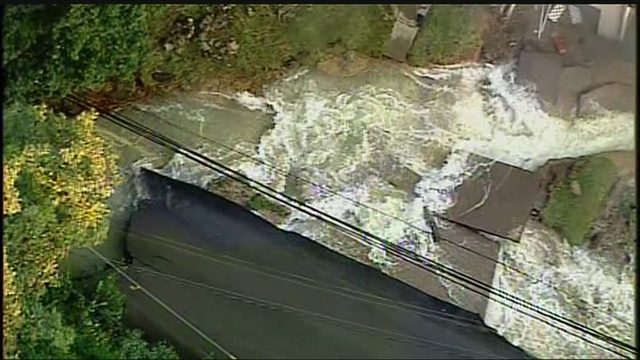
PITTSBURGH — A man is left wondering whether he will get any help for damage to his property, which was right in the path of Friday’s massive water main break in Pittsburgh’s Carrick neighborhood.

Kevin Kehren estimates a foot of water led to major soil erosion on his property, which is located in the midst of a cluster of homes impacted by the rushing water.

Related Headlines

>>RELATED: Family rescued from flood caused by water break says their home is condemned

“My family was still in the house at the time. I couldn’t even get past the water leak,” Kehren said.

Despite the property damage and two flooded sheds, Kehren said he knows he’s lucky because there is no water damage inside his home.

One of the sheds that flooded contained all of Kehren’s lawn equipment, which he estimated to be worth $4,000 to $6,000.

You can customize your WPXI News App to receive alerts to Allegheny County news. CLICK HERE to find out how.

Pennsylvania American Water said the company is still investigating the cause of the break to determine why the pipe broke well before its anticipated life expectancy. The company also said its insurance company is still investigating.


TRENDING NOW:


“What are we supposed to do about our damages? What is my neighbor supposed to do? His basement is still full of wet items, and he’s going to start getting mold if it’s not sooner than later,” Kehren said.

Kehren contacted his insurance company, which said the damage is not covered.

“Right now, we’re at a loss until someone decides to take care of it,” Kehren said.

Part of East Agnew Avenue, where the break occurred, remains closed Tuesday as crews continue to work on the road.


source https://www.wpxi.com/news/top-stories/man-wondering-who-will-take-care-of-damage-to-property-after-massive-water-main-break/989865904

4 things to know about navigating flood insurance policies, claims — Community Impact Newspaper

As of Sept. 24, over 17,000 insured vehicles in Texas sustained damage during Tropical Depression Imelda and the tally is expected to continue climbing as more insurance claims are filed, said Mark Hanna, a spokesperson for the Insurance Council of Texas.

In Harris County alone, close to 2,000 homes were reported damaged as of Sept. 23 at the start of the county damage assessment process.

Residents are now tasked with navigating the flood insurance claims process, applying for financial assistance for the uninsured or considering purchasing a policy ahead of the next storm.

“It’s just been happening so often in Southeast Texas,” Hanna said. “If you can afford it, flood insurance is one of the least expensive insurance products out there.”

Here are four things to know about recovering from flood damage and preparing for the future.

How to file a successful claim

  • For both home and auto claims, documentation is key, Hanna said. Take photos and videos that depict the water level and amount of damage sustained as soon as it is safe to do so.
  • If possible, document the damage while flood waters are present and after it is cleared out.
  • Take notes about dates and time of damage and phone calls with insurance agents.
  • For auto claims, Hanna said policy holders should file quickly even if they are unsure of the extent of the damage. If the vehicle is inaccessible, take note of its location so adjustors can evaluate the damage in that specific area. Visit www.findmytowedcar.com to locate a vehicle that was recovered by police.
  • Report damage for county record keeping at www.imeldasurvey.com

How to minimize further damage

  • After a storm, clearing out flood waters quickly using wet vacuums or fans can minimize the extent of damage and reduce the potential for mold growth, Hanna said. If necessary, remove carpet.
  • For clean up assistance, visit www.ghcf.org/imelda
  • Some vehicles may remain operational after flood waters recede. Do not turn on a vehicle until it has had a chance to dry out. This will minimize damage to electrical systems, Hanna said.

What to do if you’re uninsured

  • Document everything
  • Apply for aid through Imelda Assistance Fund. It organizes and distributes donations from corporations and non-profits.
  • If Texas receives a federal disaster designation, which Hanna said is likely, apply for aid through the Federal Emergency Management Administration. These funds come in the form of reimbursements as well.

How to plan for the next storm

  • Flood insurance is mandated for those who live in floodplains but Hollis said those people should consider relocating. The Harris County Flood Control District operates a home buyout program using FEMA funding.
  • Flood damage still presents a threat to those outside of floodplains. Homeowners and renters alike can purchase policies. For homeowners, policies cover the property and personal items. Hollis said renters who live in ground floor apartments or houses can purchase policies that cover damage to personal items.
  • Negotiate a fair price. The maximum policy amount through the national flood insurance program covers $250,000 in home damage and $100,000 in personal property damage. “You may not have a $250,000 home and you may not have $100,000 in personal property. So check with your agent and make sure you know you get a good deal. Try to make it worthwhile and affordable,” Hanna said.
  • Homeowners can also consider landscaping projects that direct water away from the home, Hanna said.

source https://communityimpact.com/guides/houston/heights-river-oaks-montrose/news/public-safety/2019/09/24/4-things-to-know-about-navigating-flood-insurance-policies-claims/

Puroclean: ‘If your ducts look dirty, they probably are’ — Cleveland Daily Banner

By Tim Siniard

Got dirty air ducts?  

PuroClean, a locally owned water and fire restoration company, can help.

According to the company, contaminants lurking in dirty ducts can cause serious health problems, as well as increased utility bills.

As a result, they company’s rule of thumb is, “if your ducts look dirty, they probably are.”

Joel Cox, PuroClean’s marketing and sales directo,r said the company offers free duct cleaning estimates.

“We can help people who have allergies,” he said.

PuroClean will clean, sanitize and deodorize air ducts, as well as sanitize or encapsulate the system for odor control.

The process also includes vacuuming  duct systems.

The company, which bills itself as the “Paramedics of Property Damage,” provides other services, as well, including  water removal, drying and dehumidification, mold and odor removal and reconstruction. 

They can also assist with fire and smoke damage by using its state-of-the-art techniques and cleaning processes, which can result in saving property without needing to replace it.

Cox said the company, unlike others, uses a special process to rid homes of odors caused by smoke damage.

“If not done right, the smell won’t go away,” he said.

In addition, the company can treat for mold caused by water damage.

“We also offer crawl space encapsulation,” Cox said. 

According to the company’s website, “one square inch of mold can contain more than 65 million mold spores, which have the potential to cause health problems, including allergic reactions, irritants and in some cases, potentially toxic substances.”

The Centers for Disease Control and Prevention’s website also states that “in 2004, the Institute of Medicine found there was sufficient evidence to link indoor exposure to mold with upper respiratory tract symptoms, coughing, and wheezing in otherwise healthy people.”

Cox said the company, which is owned by Charles Atkins, also has an office in Nashville.

Atkins has a broad background in disaster relief, having served for many years on the Western North Carolina Church of God Layman’s Board.

The company not only serves the Cleveland, Dalton and Chattanooga areas, it also responds to areas where flooding is caused by storms such as hurricanes.

Currently, PuroClean has a team headed by Atkins in North Carolina where they are working on homes damaged by the historic storm.

source http://clevelandbanner.com/stories/puroclean-if-your-ducts-look-dirty-they-probably-are,103380

St. John’s tenants, businesses displaced by water damage from heavy September rain — KPTV.com

PORTLAND, OR (KPTV) – Tenants are staying in hotel rooms, and businesses were forced to close because of too much water damage in their St. John’s building.

The multi-use building on North Lombard Street is owned by the Calcagno family.

They told FOX 12 the damage is from all the rain a few weekends ago that came in the middle of a roofing project.

“My first hole was right there,” said Nora Badgett, as she showed FOX 12 the damage in her apartment, which is one of 10. “Rain just kept coming and then we got that torrential rain that was on Sunday and that pretty much took care of everybody.”

Her ceiling is falling through, the floor is covered in debris and there’s already mold growing.

“You can see the drips coming down on the walls,” she said.

The water damage is so extensive, she said it reminds her of when she lived in New Orleans during Hurricane Katrina.

“It’s really no different, the mold crawling, the only difference is the rain came this way instead of like this,” Badgett said.

All this, the landlord said, is a result of the more than three quarters of an inch of rain we got the weekend before last, and an incomplete roof on the building.

They were getting a new one put on, and he said it could have handled some rain, but it was not ready for a September soaker.

The rain was enough to go all the way through the apartment units up top to the businesses down below.

Aaron Hemphill owns Two Stroke Coffee Company, which is now closed indefinitely because of the mess.

“Still in shock a little bit. We’re determined to reopen, we love the neighborhood, we love the space, we love everybody, and we want to be here, so we’re going to do whatever we can to be open – we just don’t know what its going to take to do that and how long it’s going to take, but we’ll do it,” he said.

Right now, everyone’s insurance agencies are working together to figure it all out. The landlord says they’ll likely have to gut the whole place and go from there, which could easily take months.

The landlord said he’s paying for the tenants to stay in a hotel right now, but he’s not sure how long he’ll be able to keep that up.

Badgett said luckily, she has coworkers helping her out.

And at the coffee shop, insurance will help pay their employees, but they also have a GoFundMe account set up.

Copyright 2019 KPTV-KPDX Broadcasting Corporation. All rights reserved.

source https://www.kptv.com/news/st-john-s-tenants-businesses-displaced-by-water-damage-from/article_5ee48d6a-de91-11e9-821d-4f313ee7f15e.html

Damaging flooding in Dell Rapids may lead to home demolition along river — KSFY

DELL RAPIDS, S.D. (KSFY) — Upwards of a dozen homes were destroyed after record-breaking flooding from the Big Sioux River that took over the south side of Dell Rapids.

Now city officials are assessing the damage to see if the damaged homes in the neighborhood need to be removed.

After the flooding, there is no way some of the homes will be livable again. That’s why city officials are considering the FEMA Buyout Program that would remove the homes in this area, but this could be a yearlong process.

«Five o’clock Thursday morning we actually heard our neighbor to the south fire up his lawnmower and we were like what the heck! What’s Rick doing now?» Dell Rapids resident, Kelly Tiernan said.

Rick was moving his lawnmower and cars away from the water that was quickly approaching. Just more than a week later homes that were in the river’s way have substantial damage.

«There’s already mold growing in the house that’s at least four foot up,» Tiernan said.

Now that renters and homeowners are back in their homes cleaning up City Administrator Justin Weiland is coming up with a plan to start assessing the damage.

«Every home that received damage needs to have a damage assessment. FEMA has a rule of substantial damage,” Weiland said.

If the damage exceeds 50 percent of the property value then those homes are deemed substantially damaged. That follows the guidelines placed by the Federal Emergency Management Agency.

«We realize that this is very difficult for homeowners and we’re going to be working with them through this process,» Weiland said.

Kelly Tiernan received eight inches of water in his home. Now they’re cleaning up and moving on.

The water was right up to the bottom of his fireplace, but it didn’t overtake the whole fireplace.

The family only rented the home, but their landlord has three options; tear the home down, move the home to a different location outside of the flood plain or elevate it.

If demolition is chosen the property owner would go through the FEMA Buyout Program.

«The FEMA Buyout Program purchases the homes at 75 percent of an appraised value,» Weiland said.

The process can take months. If the homeowner decides to take that route they will be responsible for removing the structure and filling any holes left behind. They will get a 75 percent reimbursement for the costs associated with the cost of tearing down the home.

Dell Rapids City Council will be meeting Monday, October 7 at 7:30 p.m. to start planning the next steps.

source https://www.ksfy.com/content/news/Damaging-flooding-in-Dell-Rapids-may-lead-to-home-demolition-along-river-561155921.html

The leak’s been fixed. So why does it still smell like mildew? — The Washington Post

September 23 at 7:00 AM

Q: Earlier this year, a downspout came loose, and water infiltrated my condo bedroom. It took the property manager 3½ months to repair it, so a lot of water came in. After the repair, I waited five months for the walls to dry out, during which there was a strong mold/mildew smell. When I brought in a plasterer, he removed the damaged plaster. A worker applied a white sealant, Zinsser Odorless Oil-Based Stain Blocker, and returned to spray mold/mildew killer. That was five weeks ago. After a few days, the smell was still as strong as before, so I bought the same product — it smells like Clorox — and sprayed the walls every third day. The mildew smell lessened only a small amount. I found a recommendation online to apply vinegar to kill the odor. I have done that three times over the past week. The smell has lessened a bit, but I worry that if I proceed to get new plaster and paint, the mold/mildew will come through. How should I eliminate the odor?

Washington

A: Hire a licensed mold assessor to test your walls and the air to make sure the underlying issue — excessive moisture — has been addressed. A persistent smell hints that mold or mildew (the term for specific kinds of mold) may still be growing because moisture levels are high.

If you were to hire a company that does assessments as well as remediation and were told more remediation work needs to be done, you may wonder whether the advice was just a way to drum up more business. So hire a company that does mold assessments but not remediation work, suggested Joe Mulieri, owner of MoldGone in Silver Spring (240-970-6533; moldgone.net), which does both types of work throughout the Washington area. He said an assessment might cost a few hundred dollars. The D.C. government website lists licensed mold professionals in two categories: assessors and remediators. To view the list, type “mold professionals” into the search box at DC.gov .

Assuming you aren’t seeing any mold now, the smell could be coming from inside the wall cavities, perhaps within insulation stuffed into the walls, with the smells then wafting into the room through gaps around trim and between the walls and flooring. These air gaps could also be allowing warm, moisture-laden air to settle on a cold surface, where it condenses and raises the moisture level enough to support mildew growth. If the room didn’t have a moldy smell before the gutter problem, it’s possible that 3½ months of leaks soaked the insulation enough to compress it, allowing condensation to occur where it wasn’t an issue before. Or mildew could be in the ceiling or the floor, perhaps in carpet padding.

If the walls in your condo were covered in drywall, the best solution probably would be to remove the damaged materials, see what’s going on inside the wall and start fresh. Replacing drywall makes sense because mildew can feed on the paper that covers both sides of drywall’s gypsum core and because drywall is relatively inexpensive to replace.

Plaster, however, is less prone to harboring mildew because it doesn’t provide food for mildew, and it is more expensive to replace. “Plaster is more dense and less absorbent than drywall,” Mulieri said. Although it’s sometimes necessary to remove plaster to address hidden issues, it’s often sufficient — once a leak is plugged — to go with the procedure your plasterer used: scraping off the outer layer, then apply an encapsulant. Mulieri said he uses AfterShock, a sealant produced by Fiberlock Technologies that was designed to disinfect surfaces and prevent mold from re-growing.

Many contractors, like yours, encapsulate by using a less-expensive oil-based sealer, such as Zinsser Odorless Oil-Based Stain Blocker or Kilz Orignal. But if you read the technical documents for these products, they don’t mention using them to encapsulate mildew. The Zinsser product sheet says only that it blocks stains from water, fire and smoke damage, while the Kilz sheet says it blocks stains from a longer list of sources and “seals pet, food and smoke odors.” There is no mention of mildew with either product.

That said, it’s possible that if the moisture issue has been corrected and the visible mold cleaned up, you could be ready to have the plaster repaired and painted. To know for sure, arrange for a visit from someone who understands mildew issues and can test the air and surfaces. There is no way to eliminate mildew — spores are always in the air — but the testing should reveal whether the wall and air have elevated levels.

There is a lot of confusion about how mildew grows and the risks it poses. People often focus on “killing” mildew by spraying it with bleach or similar products. But that kills only mildew hit by the spray.

And if you inhale dead spores, the health risks are the same as if they were alive. That’s why the Environmental Protection Agency’s advice for do-it-yourself mildew cleanup focuses on wiping away mildew, using just water and detergent, on hard surfaces. The EPA says consumers can generally clean up moldy areas of less than 10 square feet by following its safety advice, which you can read by typing “mold cleanup in your home” into the search box at EPA.gov. For larger areas, it recommends getting a pro — one that is licensed.

source https://www.washingtonpost.com/lifestyle/home/the-leaks-been-fixed-so-why-does-it-still-smell-like-mildew/2019/09/20/d5447828-d570-11e9-9610-fb56c5522e1c_story.html

Rats, roaches, mold: Under USDA’s watch, some rural public housing is falling apart — NBC News

BELLE GLADE, Fla. — After days spent harvesting beans, bagging sugar and driving tractors in the blistering heat, the farmworkers return to decaying homes.

The residents of the Okeechobee Center in Belle Glade have mold creeping up their walls and ceilings riddled with holes. One mother reported roaches crawling over her infant’s face. Sewage was found leaking onto the ground outside the squat concrete buildings.

These broken-down homes were built with money from U.S. taxpayers. The Okeechobee Center is part of the country’s biggest federal housing complex for farmworkers, and is supported by federal subsidies that help cover some poor families’ rent. Though the property is privately owned, it is supposed to be closely overseen by the U.S. Department of Agriculture, which requires that the homes be “decent, safe and sanitary.”

Peeling paint inside Gertha Saint Juste’s home at the Okeechobee Center.Suzy Khimm / NBC News

But federal safeguards failed to prevent the property from descending into disrepair, NBC News found in a three-month investigation. And now, as low-income housing like the Okeechobee Center is falling apart, the Trump administration wants to eliminate federal funding that could help fix it.

Romeo Smith, 55, a tractor driver, points to the crumbling back wall of his home, where the metal rebar is exposed. He covered it with a piece of plywood, hoping to keep out the rain. A few doors down, paint is peeling from every corner of Gertha Saint Juste’s home, and roaches and mold have run rampant. She cleans constantly, worrying about her 6-year-old son’s asthma, but that only does so much. “You can’t clean to fix the hole in the wall,” said Saint Juste, 45, who washes and cuts produce at a nearby farm.

The Okeechobee Center is part of a little-known government initiative that houses more than 400,000 low-income families in about 13,000 privately owned properties across rural America, from Appalachia and the Mississippi Delta to California’s Central Valley. Built with federal loans, the properties are intended to address a shortage of quality, affordable housing in rural areas, with some specifically dedicated to agricultural workers.

Romeo Smith, 55, a resident of the Okeechobee Center.Suzy Khimm / NBC News

Unlike public housing complexes in metropolitan areas, which are supervised by the Department of Housing and Urban Development, the rural properties are overseen by the USDA — an agency best known for supporting food and farms, not affordable housing.

Amid staffing cuts and with limited resources to fix aging buildings, the USDA has pared back its housing inspection protocol, provides little public information about properties’ physical conditions and can be slow to take enforcement action when housing fails to meet federal standards, NBC News found in an investigation based on USDA documents, including inspection records and emails; government watchdog reports; and interviews with tenants, local officials and a dozen current and former housing officials.

“These are wildly underfunded programs with inconsistent, episodic attention by a challenged agency,” says David Lipsetz, a former USDA housing official and CEO of the Housing Assistance Council, a group that aids rural nonprofits.

Over the past decade, the number of staff members in the USDA division overseeing the rural housing program has plunged by 26 percent, according to federal data. At the same time, repair and maintenance needs have swelled: About 15 percent of properties built through the USDA’s two main rental housing programs are in poor or below average condition, according to a 2016 analysis commissioned by the agency. The report estimated it would cost $5.6 billion over 20 years to make all the capital repairs the properties need.

The back wall of Romeo Smith’s house has crumbled, exposing the metal rebar.Suzy Khimm / NBC News

Most owners do a “stunningly good job” keeping their properties in decent shape on a shoestring budget, Lipsetz said, and most housing advocates consider the initiative to be a success. But some owners have not kept up with basic maintenance and repairs, leaving their tenants with deteriorating roofs, faulty septic systems and other costly problems. Tenants in an upstate New York town complained about rampant mold and leaky roofs in 2014; in Walhalla, South Carolina, residents told a local paper about leaks and shoddy repairs in 2016. One farmworkers complex in central Florida had such severe mold, water and termite damage that it was shut down in 2006 after the owner received approval to do so from the USDA, displacing all the tenants.

At the Okeechobee Center, home to more than 370 low-income families, the USDA spent years standing by while living conditions deteriorated, and the owner only made limited fixes, NBC News found.

The USDA says the conditions in Belle Glade are an outlier, blaming bad management by the property’s independent owner, the Belle Glade Housing Authority. The USDA will “overcome this mismanagement and restore Okeechobee Center into the safe and healthy homes that American farm workers have earned,” Phil Leary, state director of the USDA’s rural development office in Florida, said in a statement. The housing authority, in turn, has blamed tenants for not maintaining their homes and told NBC News it has done everything the USDA asked.

Housing advocates say the years of problems at the Okeechobee Center — which drew public attention after tenant complaints reached local officials this summer — show both the importance of the USDA’s role in protecting residents and the ways in which the agency is falling short. The rural housing initiatives are “orphan programs” that are critically necessary, but not a priority for the USDA because they are significantly smaller than the agency’s other programs, said Diane Yentel, president of the National Low-Income Housing Coalition, an advocacy group.

The USDA insists it takes prompt action when it uncovers problems.

“Any deficiencies are noted and must be corrected as quickly as possible,” the agency said in a statement. “An owner who fails to properly maintain or manage a property will be subject to progressive enforcement actions by USDA until the property meets the requirements of the loan agreement.”

Mary Cortes, 80, a retired farmworker who lives at the Okeechobee Center.Suzy Khimm / NBC News

But tenant advocates fear that years of underinvestment and neglect could leave aging properties in such poor shape that they ultimately become uninhabitable, accelerating the affordable housing crisis in rural America and putting its most vulnerable residents at risk.

Residents at the Okeechobee Center — where rent is less than $450 a month for a three-bedroom home — say they would have few alternatives if they had to move. “I don’t know where I’d go,” said Mary Cortes, 80, a retired farmworker who uses a wheelchair.

‘They don’t deserve to live like this’

An hour outside Mar-a-Lago, President Donald Trump’s members-only club, the green fields stretch for miles. Sugarcane, tomatoes, lettuce and beans all flourish in the rich, dark soil. Much of the farm labor is done by black and Latino workers — many of them immigrants — who harvest produce for low wages under the blistering Florida sun.

The Okeechobee Center began as a 1930s migrant labor camp, created under a New Deal program for Depression-stricken families. Propped up on wooden platforms, the homes were an upgrade over the squalid sheds where farmworkers slept. But living conditions were still rudimentary decades later. Edward R. Murrow’s 1960 documentary, “Harvest of Shame,” shows young children at the complex sitting on beds crammed together, with sheets chewed apart by rats; one boy had a nail stuck in his bare foot.

The black section of Belle Glade in the 1930s.Arthur Rosenstein / Farm Securities Administration

Later that decade, the federal government scaled up rural housing developments across the country as part of the War on Poverty. It gave out low-interest loans to build rental homes in rural areas, providing tenant subsidies and federal oversight for the length of the loan. In some areas, these were the only affordable rentals with electricity and indoor plumbing.

At the Okeechobee Center, which was then a segregated complex for black farmworkers, the federal government replaced the Depression-era apartments with individual, concrete-walled homes. “You couldn’t ask for better,” said Henry Lockett, 80, a Belle Glade resident who grew up across the street.

Inside a farmworker’s home in the Okeechobee migratory labor camp, in Belle Glade, Fla., in 1941.Marion Post Wolcott / Farm Security Administration

But over the decades, as the federal government shifted its attention to developing urban and suburban housing, and rural areas shrank, investment in rural housing dried up. The original agency that made the loans, the Farmers Home Administration, was folded into the USDA, which was authorized to create a rural housing division in 1994.

“You have responsibility for tenants,” said Larry Anderson, a former USDA official who helped create the agency’s housing inspection system in the mid-1990s. “It’s not the objective of the program to have them living in squalor.”

The agency’s inspection system, though, is less rigorous and transparent than the one that HUD uses to evaluate public housing in suburbs and cities. The USDA’s inspection report does not tally the total number of violations at a property or provide numerical scores, and no information about inspection results is readily available to the public. (The agency said it was prohibited from releasing more detailed data without a Freedom of Information Act request. NBC News filed FOIA requests months ago, but the USDA has yet to release any documents in response.)

The USDA intentionally designed the system to be less codified than HUD’s to empower its field staff and encourage a “hands-on” approach to supervising its loans, said Anderson, who currently works as a housing consultant for rural property owners.

A pile of trash at the Okeechobee Center.Suzy Khimm / NBC News

But years of staff cutbacks — which accelerated under the Obama administration — have undermined the system, leaving the USDA without enough experienced field staff members, according to some housing advocates and former officials like Anderson.

The USDA also stopped using worksheets that indicated the frequency and severity of violations as part of a transition to a digital inspection system that was completed in 2015, according to documents and background information provided by the agency — a change that makes the system “less thorough and more subjective,” Anderson said. (The USDA says its inspection standards and protocol have not changed.)

At the Okeechobee Center, USDA records obtained by NBC News suggest a casual approach to inspection. Covered in mold and peeling paint, one home was in such poor shape that the USDA said in a July 2015 letter to the complex’s owner that the tenant “need[ed] to be moved to a different unit immediately.” But on the inspection report that year given to the housing authority, the USDA did not mark any official violations. Instead, the agency simply provided the owner with a bullet-pointed list of findings, which the USDA later acknowledged weren’t addressed in a 2019 letter to the housing authority.

The following year, living conditions appeared to be deteriorating, according to agency documents. “In general the units are in extremely poor condition and in need of substantial rehabilitation,” the USDA said in August 2016. The USDA can take forceful action in response to violations, including foreclosing on the property or issuing fines. To avoid such measures — which could displace tenants — the USDA recommends asking owners to create a formal «workout plan» for correcting serious problems

But such a plan never came together in Belle Glade, according to agency records and interviews with staff and former officials. In 2017 and 2018, USDA staff visited three times but only spoke in general terms about aging buildings and minor upkeep, such as cleaning up stray beer cans, said Alan Sullivan, executive director of the Belle Glade Housing Authority. No one demanded a comprehensive plan to fix the longstanding problems, he said. (The USDA held the meetings “to discuss concerns with the unacceptable level of deferred maintenance of the property,” the agency wrote in its 2019 letter to the housing authority, but says the owner had not taken the proper steps to submit an assessment of the property’s repair needs. Sullivan contests this, providing NBC News with his correspondence with the agency.)

The current problems caught the attention of local authorities and media this summer after Families First of Palm Beach County, a social service agency, heard about one family’s predicament: Rats were biting their children’s feet, roaches skittered everywhere and mold covered the walls. The report reached local officials and prompted an immediate response from Sens. Rick Scott, R-Fla., and Marco Rubio, R-Fla., as well as the USDA, which demanded a repair plan from the housing authority in July.

Deteriorating conditions inside a family’s home elicited a local outcry in July.Families First of Palm Beach County

“These are some of the poorest families in my community, who are doing some of the hardest work,” said Melissa McKinlay, a Palm Beach County commissioner. “They don’t deserve to live like this.”

The conditions were so grim that McKinlay enlisted the county health department to assess the properties in August. The county’s inspection reports describe damaged walls, widespread mold, rodent droppings, roaches, exposed wires, missing smoke detectors and a “sewer line discharging sewage onto the ground,” among other serious violations.

The USDA says that it followed all standard policies and procedures in Belle Glade, noting that the government had poured millions into the complex over the years to expand and rehabilitate the buildings. The property’s owner has $3 million in reserves that it should have spent on repairs long ago, the USDA said, faulting the housing authority for failing to fix the problems promptly.

The Belle Glade Housing Authority submitted a written plan to the USDA in mid-August explaining how it was “stepping up on our care of the property,” and is now waiting for a response. But the management also blames some of the most egregious health and safety violations on tenants themselves. “If they don’t take care of it, if they leave their food sitting out, they’re unfortunately going to have problems, whether it be roaches or rats,” Sullivan said. He added that cultural differences have exacerbated the chronic mold and mildew. “We have a big problem with the people that are from Haiti — they don’t want to run the air conditioning.”

The struggle to fix the Okeechobee Center echoes shortcomings that government watchdogs have flagged as well. In a 2011 report, the Government Accountability Office found that 50 percent of all USDA properties dedicated to agricultural workers had violations related to their physical condition, finances, or management without a formal workout plan in place to address them, or were in default, which meant the owner was at risk of losing them.

While only a handful of those properties were in “high levels of disrepair,” the USDA routinely let problems languish and was unable to identify or track the most severe problems, compel owners to make fixes or direct funds toward high-need properties, the watchdog’s report said.

‘Now we have to pay the price?’

Under the Trump administration, threats to the USDA’s rural housing programs have been mounting. Despite growing concerns that limited staff and resources have undermined the USDA’s work, the White House has proposed slashing funds for rural rental housing for 2019 and 2020, eliminating direct loans and grants for fixing existing properties or building new ones. Shortly after taking office, Agriculture Secretary Sonny Perdue eliminated rural development’s top leadership post, replacing it with a lower-level position, prompting Congress to reinstate the job in December. The White House has yet to nominate anyone for the position.

Legislators from both parties have rebuffed the administration’s defunding requests, defending USDA housing as a vital resource for rural America. Since 2016, Congress has increased funding for the agency’s two main rental housing programs by about $18 million, and for a preservation and rehabilitation fund by $2.5 million. But funding remains low compared to previous decades and has not kept up with the needs of the programs’ aging homes, former agency officials and housing advocates say. (The administration said the president’s budget has prioritized rural housing by fully funding rental assistance for tenants. Perdue is “highly invested” in the division, working to fill hundreds of vacant positions, according to the USDA.)

To help close the gap, the House recently passed a bipartisan, $1 billion bill to expand rehabilitation funds and help tenants stay in their homes after owners pay off their USDA loans. USDA staff also needs to be willing to “pound the table” when owners fail to act, Anderson said; advocates want the agency to have stronger enforcement tools, and have suggested bringing in third-party inspectors to assess the properties instead of agency staff.

Making long-term fixes can be costly, however, and USDA is under no obligation to pay or secure financing. Owners have limited options, as low rents often restrict the amount of funding they hold in reserve: They can try to use tax credits for redevelopment, seek investors or sell the property, often to nonprofit developers who aim to salvage them as affordable housing. States including Oregon and Minnesota have taken steps to make it easier for such financing deals to come together.

But other rural projects have struggled to find a lifeline. In Belle Glade, the housing authority has “developed a list of needs” for long-term repairs — estimated to cost more than $17 million — but doesn’t know yet how it will pay for all of them, Sullivan told the USDA in August.

Monique Mottley, 30, with her 3-year-old daughter and 7-year old niece, outside Mottley’s home at the Okeechobee Center.Suzy Khimm / NBC News

But finding new investors or buyers for the Okeechobee Center will be an especially tough sell, given the property’s poor condition and site design problems, said Steven Kirk, president of Rural Neighborhoods, a nonprofit community development group in Florida. “My view was, ‘Tear it down, don’t fix it,’” said Kirk, who thinks the property should be replaced with new housing. “We’d like to be there, but even as a charitable group, we can’t.”

In the meantime, tenants will help foot the bill. With the USDA’s encouragement, the housing authority has asked the agency to approve a 10 percent rent increase to help raise more funds for repairs, rankling some tenants who say they’re still waiting for basic fixes.

“Everything isn’t done correctly,” Monique Mottley, a resident, said, “and now we have to pay the price for it?”

source https://www.nbcnews.com/politics/white-house/rats-roaches-mold-under-usda-s-watch-some-rural-public-n1057016

Affected by floodwaters? — Beaumont Enterprise

Flooding brings more than water. A deluge of cleaning and insurance issues is sure to follow. In the morning, the phone calls start.

First, the insurance agent. Then a disaster recovery company to assess the damage and start drying out the floors. Then a moving company to take furniture out of the house.

And don’t forget to take photos of each item to document losses for the flood insurance claim.

From what to do with a soaked sofa to how to salvage your shoes, here are answers to some of the most pressing questions you’re faced with after a flood.

Furniture

What do I do with wood furniture that was under water?

If it’s solid wood and it was removed from the water quickly, there’s a good chance of saving it. Waterlogged solid-wood furniture will dry in four to six weeks. Most finishes, including shellac, will survive if they are not in water more than five or six hours. They can be cleaned with soap and water or Murphy Household Cleaner Oil Soap. If they’ve blistered, they can probably be refinished. The bad news: Furniture made with particle board — even expensive veneered pieces — usually can’t survive sitting in water for a long time.

Should we save a soaked sofa?If upholstered pieces were submerged long, the outer fabric, inner padding, springs and frame may not be salvageable. Upholstered furniture with mild water damage may be worth trying to clean. Remove the covering and padding from the frame. Discard cotton padding or stuffing. You may be able to dry, sanitize and reuse padding made from other materials. Remove tacks from the frame and fabric. Wipe off the springs and frame; dry all metal parts. Apply rust-inhibiting paint to the springs. Allow wooden frames to dry. Wash upholstery fabric or send it to the dry cleaners. Some fabrics can be cleaned; many cannot. If there are water rings, the piece probably will have to be re-upholstered.

How do I treat mildewing furniture?Take it outdoors and clean the surface with a brush or broom to remove loose mold. Vacuum the surface fabric to pull mold out of the fibers. Dispose of the vacuum cleaner bag carefully to avoid spreading mold spores. Wipe any remaining mildew with a cloth dampened with detergent suds. Avoid soaking the fabric and getting water into the padding. You also can wipe it with a damp cloth dipped in a solution of 1/4 teaspoon chlorine bleach and 1 cup water.

Floors

Are my wood floors salvageable?

Wood swells when it gets wet and shrinks when it dries. Floors soaked for days will probably have to be replaced. If the water receded quickly, you may be able to replace some boards and refinish the rest. The key is getting the water out quickly. If you can pull up a few boards and use a wet/dry vacuum to suck up the water underneath, then put fans in every room to speed the drying, you may be in luck.

Is it really necessary to pull out wet carpets?

Yes, and as soon as possible to reduce mildew in the house. If carpet has been under contaminated floodwater, it should be discarded or steam-cleaned and dried thoroughly. Padding must be discarded. When handling or cleaning water-damaged carpet, wear rubber gloves for protection. You may be able to save carpet that has been soaked with clean rain water. Contact a professional carpet cleaner for estimates. If you do it yourself, drape carpets and rugs outside and hose them down with cold, clean water. If they’ve already dried, have them professionally cleaned or rent a heavy-duty steam-cleaning machine. Use a stiff-bristled broom to work in a low-sudsing, disinfectant carpet-cleaning product. Rinse thoroughly with a solution of two tablespoons liquid chlorine bleach to one gallon water — unless your carpets are wool. Dry carpet completely. Hire pros to lay the new padding and the cleaned carpet for best results.

Clothing Can I salvage clothes that were in flood water?

Yes, but speed is critical to prevent fading and mildew. And be aware that floodwaters can contain sewage and other harmful materials. Wear protective gloves to handle wet clothing, and separate washable garments from those that must be dry cleaned. Do not store wet clothing in plastic bags. Wring as much water from garments as possible and hang them in well ventilated areas to dry. Rinse washable, like-colored garments several times in cold water to dilute the soil. Soak heavily soiled items overnight in cold water and liquid detergent following initial rinses. Then begin the «real» washing and disinfecting to kill harmful bacteria. Disinfectants include chlorine bleach (two tablespoons per washer load will be effective), quaternary ammonium compounds and pine oil phenolic compounds, all of which are available under various brand names at grocery stores. Washable garments with water-based stains need to be cleaned with water-based detergents. Remove oily stains with solvent dry cleaning solutions. Some oily, petroleum-based stains are more easily removed with liquid detergents than with powdered products. Rust removers may be used on washable clothing for rust stains. Some laundries will accept wet washable garments for washing, but it’s best to call ahead.

How do I save my shoes?

Let shoes air dry — heat from dryers will shrink them. If they are particularly dirty, disinfect them and try using a leather cleaner or saddle soap to get them back into shape.

Can anything be done for mildewed leather garments or furniture?

Leather and suede garments, as well as leather upholstery, can be cleaned with the fungicide product ConSan Triple Action 20, available at most hardware stores. Be careful; this product can stain.

Mold How can I prevent mold from forming?

Get to work right away. Even if just an inch or two of water entered an area, the potential for mold must be addressed. It only takes 48 hours for mold to germinate. Dry everything quickly. For severe moisture problems, use fans and dehumidifiers and move wet items away from walls and off floors. Clean all hard surfaces with a detergent solution and hot water. Use a stiff brush or cleaning pad on block walls or uneven surfaces. Rinse them clean with water. Disinfect with a mild bleach solution, about one cup bleach per gallon of water. When disinfecting a large area, make sure the entire surface gets treated. Avoid excessive amounts of runoff or standing bleach. Don’t rinse or wipe up the bleach. Let it dry naturally.

Caution: Never mix bleach with ammonia — the fumes are toxic.

If the odor doesn’t go away, try the wash-rinse-dry process again. If that doesn’t work, contact a licensed contractor for professional cleanup. If you can’t get rid of the mold, consider removing the contaminated surface. Remove all drywall to at least 12 inches above the high water mark. Save a sample of the contaminated surface and store it outdoors until insurance adjusters arrive.

Can cleaning mold hurt my health?

Yes. Exposure to mold can occur during the cleaning stage. Mold exposure can cause allergic reactions, asthma episodes, infections and other respiratory problems. Wear rubber gloves and a mask or respirator during the cleanup and whenever handling moldy materials. Make sure the working area is well-ventilated. Wear protective clothing that can be easily cleaned or discarded.

Bedding Should I discard wet mattresses and pillows?

Cleaning and renovating them may cost more than buying new ones. Pillows filled with feathers, polyester or foam rubber may be salvageable. First, brush off surface dirt. Wash feather pillows by machine or by hand. If the outer ticking is badly damaged, transfer the feathers to a muslin bag larger than the pillow ticking. (Hint: Stitch an open end of the ticking to an open end of the bag. Shake the feathers into the bag, then stitch the bag closed.) Wash in warm water 15-20 minutes, adding a disinfectant. Rinse with warm water several times. Squeeze or spin excess water from the pillow and dry it in the dryer or line dry. Wash polyester fiberfill by hand in warm water with a low-sudsing detergent and disinfectant. Rinse several times, and squeeze or spin off water in the washing machine. Fiberfill pillows may be dried in the dryer or line dried. Foam or urethane pillows should be dried away from heat and light.

Tap water

Is yellow tap water safe to drink?

Maybe not. Avoid smelly or discolored water. Discoloration usually indicates a buildup of iron and manganese, two common elements found in tap water. Call your local public works department; they can flush out the pipelines in your area. Once that’s completed, run your tap water for a few minutes. Health officials will warn the public whether water must be boiled or avoided.

Insurance What do I need to do to file a claim?

As many Southeast Texans know, homeowner’s policies do not cover flood damage. If you have a flood insurance policy, contact your agent to start the claim process. Take photos to make sure the damages are documented for the claim. This should be the first step in the process to give the insurance adjuster a first-hand view of what the property looked like.

My car flooded. What do I do now?

If heavy rains left your car soggy, here’s how to handle it:

1. Don’t try to start your car. Starting your car can fry the electronics or flood vital engine parts, causing more damage than might otherwise have occurred. Get your car towed to a nearby mechanic who can check it out.

2. Contact your insurer. They’ll be able to help you with things like towing, repair and rental, depending on your specific coverage.

3. Arrange a rental as soon as possible if one is needed. In a flood event, you won’t be the only person in need of a rental.

source https://www.beaumontenterprise.com/news/article/Affected-by-floodwaters-14461488.php

Northern valley group ready to assist those homeowners needing assistance in flood cleanup — KFGO News

by

Grand Forks flash flooding, September 20-21, 2019. Photo; KVRR

GRAND FORKS, N.D. (KFGO) — In the aftermath of torrential rain and flash flooding Friday night, The Upper Red River Valley Community Organizations Active in Disasters, also known as COAD, is responding to help in clean-up at homes that have water damage.

Anyone in Grand Forks and Polk Counties who needs assistance and has no help and anyone who can assist in this clean-up effect can contact COAD at 701-780-8213. COAD says the cleaning process is important to prevent additional damage like mold.

COAD is a group of community organizations, businesses, nonprofits and individuals who respond to emergencies and disasters


source https://kfgo.com/news/articles/2019/sep/23/northern-valley-group-ready-to-assist-those-homeowners-needing-assistance-in-flood-cleanup/939882/