Radford American Legion building gets good news — Roanoke Times

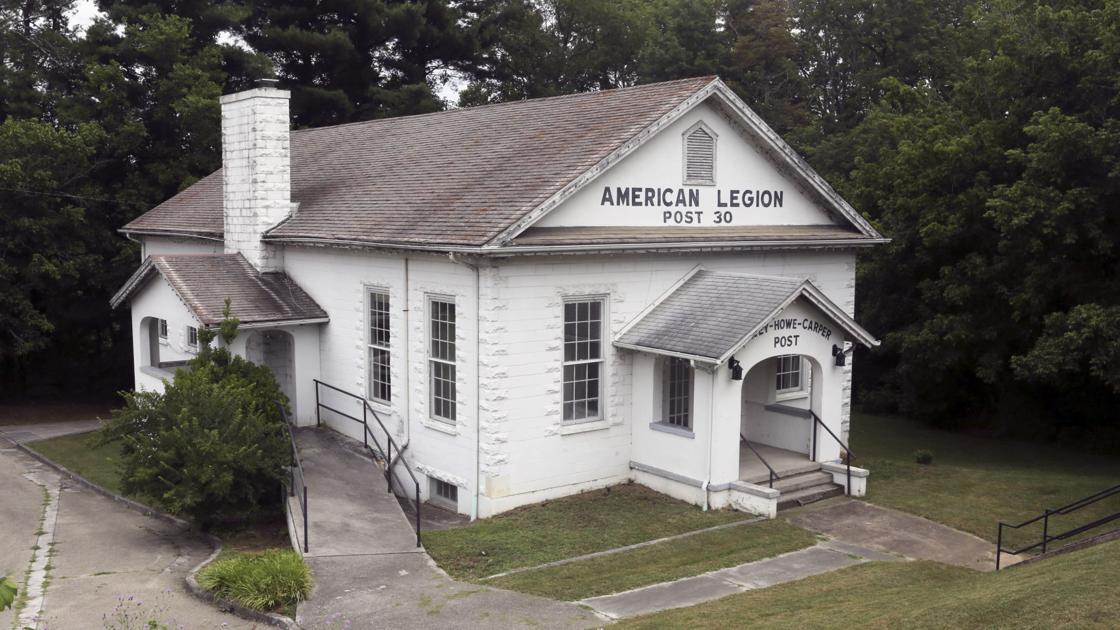
RADFORD — Progress is in sight for the city’s American Legion building, in need of repairs for years.

The Home Depot in Christiansburg — through its Team Depot Foundation — has pledged to give the charter formed in 1919 an initial $8,000 in supplies for the project.

One of the store’s assistant managers, Chuck Kamienski, worked with Home Depot corporate to ensure the first donation to the legion.

“They are a veteran organization and we like to take care of veteran organizations the best we can,” he said. “They take care of our country so it’s great to help them when we can.”

Onassis Burress, who has been a member of the post since moving to Radford a few years ago, said the first task is to repair the roof and gutter system as well as the soffit to prevent any further water damage to the building’s interior.

He estimates the cost of skilled labor to be approximately $40,000, which is needed for some of the repairs volunteers can’t do, such as replacing the roof.

“We have a lot of volunteers ready to help with some of the repairs needed, but we have to have professionals for some of the work. Getting the roof fixed is the first priority because it will stop further damage to the inside of the building” he said.

Burress also said that a local contractor has offered to do the work at a reduced rate.

The white two-story building sitting on Main Street across from the high school has been a part of Radford for nearly a century, serving a variety of roles such as a temporary courthouse and library for the city, according to longtime member Dana Jackson.

While the foundation and the structure of the building are solid, problems with the roof have exacerbated the aging and deterioration of much the building’s interior.

Water damage inside the building is significant, with cracks and other visible damage on the upstairs floor of the building where meetings were held before being moved to a nicer location.

The carpets need to be replaced and there is likely mold damage in the basement, according to Burress.

City Councilwoman Jessie Foster has been a big proponent of the project and said she’d like to see a grassroots effort by the community to help raise the funds and get the building back to where it once was.

She said she doesn’t see city funds necessarily being the solution, as there are “various veterans organizations” that could use funds to help improve aging infrastructure.

“It’s a tricky balance,” she said.

Mayor David Horton said he also supports the project.

“I would love to see citizens step up and help the effort. The building is an important piece of Radford’s history,” he said.

Burress, who is running for city council in the May election, said the legion has not approached the city for funds and has no plans to do so.

He said he sees the improvements as a multi-year project and hopes to see the building continue to serve the legion and the city for years to come.

“It would be great if we could rent out the bottom portion of the building to local startups or small businesses sometime down the road,” he said.

He has also proposed renting the upstairs of the building for different events.

Those interested in making a donation can do so by visiting First Community Bank in Radford. Donations should be made out to Radford American Legion Post 30.

source https://www.roanoke.com/news/nrv/radford-american-legion-building-gets-good-news/article_a1aec341-23ea-50a6-b0f7-90f78036b052.html

Mold chases cops from offices at Fort Lauderdale airport — Sun Sentinel

Union president Jeff Bell said the workers’ comp claims were done as precautionary measure should anyone suffer effects of exposure to mold. Of the 117 Sheriff’s Office employees assigned to the airport, 84 have filed claims and 15 have gone to the doctor, said Sgt. Don Prichard, a spokesman for the agency.

source https://www.sun-sentinel.com/local/broward/fort-lauderdale/fl-ne-airport-mold-20200221-aacedlfvgzdhzknevde47ibosu-story.html

7 Telltale Signs of Water Damage in Your Home — The Rock Father Magazine

About 90% of American homeowners surveyed stated that it’s important to have a home inspection before moving in. And yet, many of us fail to investigate homes we’ve lived in for years for evidence of serious damage. It’s critical to pay attention to signs of water damage. Not only can this type of damage have significant effects on the value of your home and the protection of your belongings, but it can have major health consequences, too. Mold, for instance, can grow and spread just 48 hours after the formation of a leak, which can lead to the need for expensive remediation — and if left unaddressed, it can put your well-being at risk.

To that end, here are seven signs of water damage you should look for every two months, as well as the risks involved if you don’t get them fixed as soon as possible.

1. Changes in Floors, Ceilings, or Walls

Many homeowners don’t notice changes to structural elements. They are hard to spot in familiar surroundings, even if you’re diligent about cleaning and upkeep. Some of the first warning signs of damage caused by water include bubbles or peeling in wallpaper or paint. Eventually, these will take on a swollen or warped appearance. If water damage is especially severe, ceilings and walls can acquire a sponge-like feel.

Pools of water that return after you clean them up are obvious signs of a leak. Water-damaged floors may not be immediately apparent, particularly if the wetness is evident only in corners or in spaces that don’t see much foot traffic. By the time you spot wet carpet or peeling tile, there may be damage underneath. In advanced cases, carpets may feel spongy or waterlogged. Tiles made of ceramic materials often develop mold and cracks in the grout when damaged by water. Tiles made of linoleum and vinyl show cracks and peeling. Floors made of laminate and wood can buckle, cup, and warp.

Look for discolored or dark patches on your ceilings and the inside and outside walls, as these are common signs of leaks. You should also inspect the drywall on your walls and ceilings for bubbles, flakes, and cracks.

2. Evident Stains and Mold

Slow, steady leaks frequently result in stains, whereas mold grows in places that stay damp over time. Water stains are typically yellowish-brown and form irregular shapes around the source of the leak. They are most commonly found in bathrooms, basements, and laundry rooms, or other spaces that see considerable water flow or that have a larger plumbing network. Stains are signs that a leak stems from a plumbing fixture. They take shape as the wet areas dry out and get wet repeatedly over time.

Mold is a fungus that spreads through the air and needs consistent moisture to grow. Drywall, ceilings, carpeting, and wood are common sources of mold if they are allowed to stay wet. Mold is most frequently seen in bathrooms, kitchens, basements, and other spaces where water buildup might not be detected right away. Mold can cause health problems, such as worsening allergy symptoms and even respiratory infections. If you spot stains or mold in your home, it’s likely that there’s extensive water damage that needs to be taken care of.

3. Running Water Sounds

Water damage isn’t always visible, but it might make noticeable sounds. Drips, creaks in the floorboards, and the sound of constantly running water may be signs that you need repairs. What’s tricky is that they can also be the sounds of a system that’s operating smoothly. The noises to be concerned about are those that change over time, as these indicate a change in the flow or force of water. Even small drips can result in holes in your concrete foundation, threatening the structure of your entire home.

4. Increasing Water Bills

A sudden increase in your water costs could indicate a leak you don’t know about. Over 6.5 years, the typical family in the U.S. uses 660,000 gallons of water. Some of this usage could be attributed to plumbing leaks. Keep an eye on your water bill and note any unusual spikes. If the increase cannot be attributed to other causes, it’s worth calling a plumber to look into.

5. Musty Smells

The musty smell attributed to water damage is like the odor of damp cardboard or newspaper. The odor is most potent near the site of the damage. The space might also be humid or damp. If an area of your home smells musty, look it over carefully and see if there are additional signs of water damage, such as stains or mold.

Older homes often have a range of odors, particularly in attics and basements, but abrupt changes in odor may signal water damage. A new smell in a newer house is unusual and may also indicate water damage. If you detect musty odors soon after a big rain or a winter thaw, you may have damage in your foundation.

6. HVAC and Appliance Issues

As appliances age, they develop cracks and rust. You may also see a weakening in the hoses. These problems can occur with refrigerators, water heaters, dishwashers, and washing machines, which means that older models should be monitored. In particular, washing machines and hot water tanks are most likely to contribute to water damage.

Heating, ventilating, and air conditioning (HVAC) systems also frequently cause water damage. If your air conditioner is not regularly maintained by an HVAC professional, moisture can build up in the unit. That moisture, when cooled, can spark mold growth from spores inside the ducts. Be sure to stay on top of appliance and HVAC maintenance to avoid any issues with water damage down the line.

7. Worn Plumbing

Pipes tend to endure over the lifespan of the home, but valves, faucets, and connections typically wear out over the years. Look at those pipes, valves, and faucets that are visible to see if you can spot leaks. With pipes that aren’t visible, you can detect problems by listening to the flow of water. Inspect the areas under sinks and near toilets to make sure connecting pipes are in good repair and don’t have leaks. Check cabinets for dampness and mold.

If you spot any of these signs of water damage, call a plumber as soon as possible. Water damage stains furniture and carpets. It also harms the structure of your home, including your foundation, which brings down your property value. Mold and microbial growth pose health risks to you and your family, as well. You need to inspect your home regularly for signs of water damage to protect your family and your property. The longer you wait, the more difficult the damage may be to fix.

source https://www.therockfather.com/lifestyle/homeandgarden/forthehome/item/6666-7-telltale-signs-of-water-damage-in-your-home

4 Plumbing Maintenance Tips to Avoid Costly Water Damage — Point2 Homes

Image: kurhan / Shutterstock.com

The cost of repairing your home after water has damaged the walls, flooring or any other structure can be very high – often reaching thousands or tens of thousands of dollars. In fact, it’s estimated that water damage and mold alone cost insurance companies more than $2.5 billion every year.

So, how can you avoid water damage? While it’s not always possible to avoid damage caused by flooding, storms and hurricanes, there is one source of water damage that is almost always avoidable – damage caused by your plumbing.

Burst pipes, faulty plumbing fixtures and leaks can cause serious damage over time. But, fortunately, a few basic maintenance tips will ensure that you won’t have to worry about calling an “emergency plumber near me” or a water damage remediation service!

  1. The Main Water Shut-Off Valve: Where it is & How to Use it

Whether you have an overflowing toilet, a burst pipe or any other plumbing-related issue in your home, there’s one simple way to stop the flow: shut off the water. And, conveniently, you can turn off the supply of water to anywhere in your home with the main water shut-off valve.

If you notice a serious leak or water damage that you suspect is related to your plumbing, this is the first place you should go. It cuts off the water at the source, stopping water from flowing into your home. As a result, it will also stop the leak in your home, no matter where it is.

Usually, you’ll find this valve somewhere in the basement near the front foundation wall and within about three to five feet of where water enters your home. However, it could also be located in a crawlspace or another utility area.

Once you’ve found your main water shut-off valve, familiarize yourself with how to use it. In a standard design, turn the knob or lever clockwise to shut off the water to your home. Then, whenever you need to turn it back on, just rotate it in the opposite direction.

If you can’t find the main water shut-off valve on your own, ask your plumber the next time they come to your home. They’ll be able to identify it and tell you where it is, and how to use it. Then, make sure that everyone in your home knows about its location and use, so that they, too, can shut off the water in an emergency to prevent water damage.

  1. Prevent Pipes from Freezing in the Winter

Pipes in a crawlspace or poorly insulated basement could be prone to freezing in particularly cold weather. This is because water expands when it freezes, which can rupture the pipe and lead to a serious leak.

However, there are a few steps you can take to prevent pipes from freezing in the winter. For instance:

  • Use pipe insulation to keep warm any pipes that are near cold air (such as in crawlspaces or basements). This type of insulation looks similar to a pool noodle, and splits apart for easy installation onto your pipes. It’s simple to install on your own, and usually costs less than $.50 per foot.
  • Keep your thermostat above 55 degrees in the winter, even when you’re not home.
  • Maintain the same interior temperature during the day and at night.
  • Open up cabinets in the bathroom and kitchen to encourage the flow of warm air around the pipes in very cold temperatures.
  • Allow a trickle of water to drip through the faucet on extremely cold days.
  • Disconnect hoses and drain water from exterior taps.

For more information about how to keep pipes from freezing during cold snaps, consult with a qualified local plumber.

  1. Check Your Sump Pump at Least Once per Year

If you have a basement, you may have a sump pump, which pumps water away from the foundation and the basement, and also keeps it dry during heavy rainstorms. Yet, many homeowners don’t test their sump pumps regularly and may only think about them during heavy rainstorms. Unfortunately, if your pump fails during a storm, there’s probably nothing you can do about it; your basement will likely flood.

On the other hand, if you check your pump regularly, you can identify potential faults and issues early to avoid costly water damage. Plan to inspect the pump at least once per year or multiple times during heavy storm seasons; it could save you quite a bit of money.

Because the process for testing a sump pump may vary based on your unit, refer to the manufacturer’s instructions, if possible. In most cases, you’ll just have to fill the sump pit with water. Then, you should see your sump pump’s float start to rise, which will activate the unit. Once your sump pump kicks on, you should notice the water level falling as the sump pit is emptied.

If your sump pump doesn’t turn on automatically when you test it, or if it doesn’t seem to be pumping water properly or quickly enough, you may have a problem. In that case, contact a local plumber to check it out and ensure that you’ll be prepared if there’s a big storm or rainfall in the near future. 

  1. Consider a Twice-Yearly DIY Plumbing Inspection

You don’t necessarily need to be a plumber to inspect your pipes and plumbing fixtures; you can check your home’s plumbing system yourself twice a year.

Start by taking a look at the pipes in your utility room or basement. Look for any visible signs of corrosion, cracks, leaks or other issues, such as loose fittings or anything else that looks like it could be a problem. Also, check the water heater and other related fixtures, as well.

Then, check all of your faucets, taps, showers and other fixtures for signs of leaks. For example, discolorations and stains near a tap, dark spots under pipes in cabinets, and discoloration in a wall or on a floor can indicate a leak. Wobbly or “rocking” toilets can also be a sign of a potential leak.

If you spot anything that looks suspicious or you think there is a problem, don’t hesitate to call a professional.

  1. Sniff Out Mold or Mildew to Uncover Hidden Leaks

Leaks that are hidden behind a wall could be nearly impossible to detect until they’ve already done severe damage. So, how can you recognize them? By using your nose!

Mold needs a relatively warm, dark and moist environment to grow, and water leaks provide the moisture that mold and mildew need to take hold inside of a wall. If you’ve started to notice a nasty, “old gym sock” smell in a particular room – such as a bathroom, kitchen or basement – chances are that you have an undetected leak.

In this situation, you’ll likely need to have the area tested by a specialist to identify the presence of mold, and you may need to work with them and a plumber to address the source of the leak and eliminate the mold from inside the wall. This is not always cheap; but, the sooner you get help, the less you’ll pay. Ignoring the issue will just make it worse.

Keep Your Home Safe from Water Damage

An ounce of prevention is worth a pound of cure. That old adage is especially true of plumbing and water damage. While water damage can be extremely costly to repair, most minor plumbing issues are quick and affordable to fix – as long as they’re caught before they become too severe.

If you suspect that you have a hidden leak in your home, don’t wait. Get help from a qualified emergency plumber right away. Meanwhile, stay on top of your plumbing with these tips to prevent water damage before it becomes a problem.

source https://www.point2homes.com/news/tips-tricks/plumbing-maintenance-tips-avoid-water-damage.html

Pointers Run Elementary media center is temporarily closed after water leak — Baltimore Sun

The carpet and furniture is being replaced in the media center. Restoration actions, intended to prevent mold growth, are also in place in the media center, including removing impacted materials and using dehumidifiers and fans, according to Schruefer’s email.

source https://www.baltimoresun.com/maryland/howard/cng-ho-pointers-run-water-leak-update-0221-20200221-a4ordjldhfgffglmph3b54wz6q-story.html

How to Reduce Mold Allergies — Scubby

Since mold can live almost anywhere, it is important to avoid any exposure to it to control your mold allergies. This is by protecting yourself either at home or outside. Although you cannot see mold spores in the environment, they are still present in the air. Therefore, they can easily make it to your nose and provoke your allergies. Practice good hygiene as it is the first step to prevent any mold allergies. Also, the presence of mold may not be the only problem as basic housekeeping hygiene can go a long way in managing allergies. In this article, you will learn of different ways to reduce mold allergies.

Think Ahead

Mold is not easily avoided. Therefore, as you run your errands and as you visit several stores, there is a chance that you can encounter mold. Although it is not visible, once you smell it you will start sneezing, having watery eyes, among other allergic symptoms. For that reason, it is important to think before you go, and always have the allergy medicine that you take before getting into such places. Optionally, carrying a dust mask is as important, especially in construction sites, flower shops, farms, and antique shops among other places.

Control home moisture level

Mold thrives where organic food and moisture are present. Therefore, when you get mold in your home, it will require you to get a mold testing service as it grows rapidly once it gets breeding ground. Also, you need to control the inside moisture levels by taking the moisture out and making your home less mold friendly. The recommended humidity for a home is normally below 60%, therefore, if it is more than this it creates a good environment for mold growth. Use dehumidifiers or air conditioners to get the moisture out. Also, you can purchase a humidity meter to measure how much moisture you have in your home to know when you should control it.

Check your basement  

Basements are commonplaces to find mold due to how they look and are kept. In most instances, they are damp, and this level of humidity causes an increase in mold growth. Therefore, since it can create a lot of damage to the home when the mold grows out of control. Use dehumidifiers to lower the humidity level, you will be surprised at how much water you collect that was trapped in your basement. Since mold in your basement still affects your allergies even when you do not go there often. Try to create an atmosphere that will ensure the mold does not grow. For instance, instead of having wooden floors that hold moisture, choose concrete or linoleum as your basement flooringAlso, consider what you are storing in the basement since most things kept there like clothes, firewood, old papers are a perfect place for mold to grow.

Fix leaks 

Not only should you fix leaks, but you should act fast where there is any water damage. Leaks and spills need to be sort out as fast as you can. This is through doing it yourself or calling in a plumber. The leaks are in basements, laundry rooms, bathtubs, and the roof as well and the quick action you take will pay off eventually. All this includes mopping spilled water off the floor as any sort of moisture is an ideal breeding ground for mold. Check your gutters too and chimneys if they need cleaning. Then, do not delay. As a result, you will reduce mold allergies as no mold can grow around you.

Check your home compound 

The landscape of your home needs to stay clean, and if possible dry. Thus, you must rake dead leaves around the base of the home. Also, any plants and shrubs around the home are best you clear them, especially if the shrubs are thicker. Another important tip is to find a way for rainwater to drain fast from your house and not stay still in one place as it will have mold. If in your compound you have a tree that shades your home preventing enough sunlight from getting in. Consider cutting some of the branches off, since the shade it provides makes it longer for water to dry and the trapped moisture will lead to the growth of mold.

Remove the mold 

Although there are services that offer mold removal to homes and business premises. There is a type of mold that you can get out since you can see it start growing. Hence, get your bleach solution, soap and water and clean it out. This is mold you spot on any surface in your home. For instance, on a tile, plastic, glass, wooden floor. It will help prevent it from growing further and causing your allergies to start acting up. After you remove it, you must know what the cause of it was to stop it from happening again. More importantly, for mold on drywall, you should seek professional advice from services like awamoldinspections as they provide mold inspection in New York, Texas, and most of the major US cities.

Maintain cleanliness

As mold is known to thrive anywhere it is supported with any form of moisture. Therefore, is important to keep the bathrooms and the kitchen clean. These two places are areas that get warm, damp and humid often in a home as they are constantly used. Therefore, after use, if they are left clean and dry, they will prevent any breeding ground for mold. Otherwise, if they are left with grease and soap scum the result will be different after some time as mold will grow, and your allergies will increase. Consequently, for the bathroom, ensure you have a window open that lets out unnecessary moisture or an exhaust fan. While for the kitchen area, clean after use and check for mold indoor seals, garbage pails, refrigerator drip pans, and clean them regularly. Also, you can cook with a window open to let out the extra moisture other than letting it build up.

source https://scubby.com/how-to-reduce-mold-allergies/

7 Telltale Signs of Water Damage in Your Home — The Rock Father Magazine

About 90% of American homeowners surveyed stated that it’s important to have a home inspection before moving in. And yet, many of us fail to investigate homes we’ve lived in for years for evidence of serious damage. It’s critical to pay attention to signs of water damage. Not only can this type of damage have significant effects on the value of your home and the protection of your belongings, but it can have major health consequences, too. Mold, for instance, can grow and spread just 48 hours after the formation of a leak, which can lead to the need for expensive remediation — and if left unaddressed, it can put your well-being at risk.

To that end, here are seven signs of water damage you should look for every two months, as well as the risks involved if you don’t get them fixed as soon as possible.

1. Changes in Floors, Ceilings, or Walls

Many homeowners don’t notice changes to structural elements. They are hard to spot in familiar surroundings, even if you’re diligent about cleaning and upkeep. Some of the first warning signs of damage caused by water include bubbles or peeling in wallpaper or paint. Eventually, these will take on a swollen or warped appearance. If water damage is especially severe, ceilings and walls can acquire a sponge-like feel.

Pools of water that return after you clean them up are obvious signs of a leak. Water-damaged floors may not be immediately apparent, particularly if the wetness is evident only in corners or in spaces that don’t see much foot traffic. By the time you spot wet carpet or peeling tile, there may be damage underneath. In advanced cases, carpets may feel spongy or waterlogged. Tiles made of ceramic materials often develop mold and cracks in the grout when damaged by water. Tiles made of linoleum and vinyl show cracks and peeling. Floors made of laminate and wood can buckle, cup, and warp.

Look for discolored or dark patches on your ceilings and the inside and outside walls, as these are common signs of leaks. You should also inspect the drywall on your walls and ceilings for bubbles, flakes, and cracks.

2. Evident Stains and Mold

Slow, steady leaks frequently result in stains, whereas mold grows in places that stay damp over time. Water stains are typically yellowish-brown and form irregular shapes around the source of the leak. They are most commonly found in bathrooms, basements, and laundry rooms, or other spaces that see considerable water flow or that have a larger plumbing network. Stains are signs that a leak stems from a plumbing fixture. They take shape as the wet areas dry out and get wet repeatedly over time.

Mold is a fungus that spreads through the air and needs consistent moisture to grow. Drywall, ceilings, carpeting, and wood are common sources of mold if they are allowed to stay wet. Mold is most frequently seen in bathrooms, kitchens, basements, and other spaces where water buildup might not be detected right away. Mold can cause health problems, such as worsening allergy symptoms and even respiratory infections. If you spot stains or mold in your home, it’s likely that there’s extensive water damage that needs to be taken care of.

3. Running Water Sounds

Water damage isn’t always visible, but it might make noticeable sounds. Drips, creaks in the floorboards, and the sound of constantly running water may be signs that you need repairs. What’s tricky is that they can also be the sounds of a system that’s operating smoothly. The noises to be concerned about are those that change over time, as these indicate a change in the flow or force of water. Even small drips can result in holes in your concrete foundation, threatening the structure of your entire home.

4. Increasing Water Bills

A sudden increase in your water costs could indicate a leak you don’t know about. Over 6.5 years, the typical family in the U.S. uses 660,000 gallons of water. Some of this usage could be attributed to plumbing leaks. Keep an eye on your water bill and note any unusual spikes. If the increase cannot be attributed to other causes, it’s worth calling a plumber to look into.

5. Musty Smells

The musty smell attributed to water damage is like the odor of damp cardboard or newspaper. The odor is most potent near the site of the damage. The space might also be humid or damp. If an area of your home smells musty, look it over carefully and see if there are additional signs of water damage, such as stains or mold.

Older homes often have a range of odors, particularly in attics and basements, but abrupt changes in odor may signal water damage. A new smell in a newer house is unusual and may also indicate water damage. If you detect musty odors soon after a big rain or a winter thaw, you may have damage in your foundation.

6. HVAC and Appliance Issues

As appliances age, they develop cracks and rust. You may also see a weakening in the hoses. These problems can occur with refrigerators, water heaters, dishwashers, and washing machines, which means that older models should be monitored. In particular, washing machines and hot water tanks are most likely to contribute to water damage.

Heating, ventilating, and air conditioning (HVAC) systems also frequently cause water damage. If your air conditioner is not regularly maintained by an HVAC professional, moisture can build up in the unit. That moisture, when cooled, can spark mold growth from spores inside the ducts. Be sure to stay on top of appliance and HVAC maintenance to avoid any issues with water damage down the line.

7. Worn Plumbing

Pipes tend to endure over the lifespan of the home, but valves, faucets, and connections typically wear out over the years. Look at those pipes, valves, and faucets that are visible to see if you can spot leaks. With pipes that aren’t visible, you can detect problems by listening to the flow of water. Inspect the areas under sinks and near toilets to make sure connecting pipes are in good repair and don’t have leaks. Check cabinets for dampness and mold.

If you spot any of these signs of water damage, call a plumber as soon as possible. Water damage stains furniture and carpets. It also harms the structure of your home, including your foundation, which brings down your property value. Mold and microbial growth pose health risks to you and your family, as well. You need to inspect your home regularly for signs of water damage to protect your family and your property. The longer you wait, the more difficult the damage may be to fix.

source http://www.therockfather.com/lifestyle/homeandgarden/forthehome/item/6666-7-telltale-signs-of-water-damage-in-your-home

Fingers point after county books placed in storage develop mold | News, Sports, Jobs — Morning Journal News

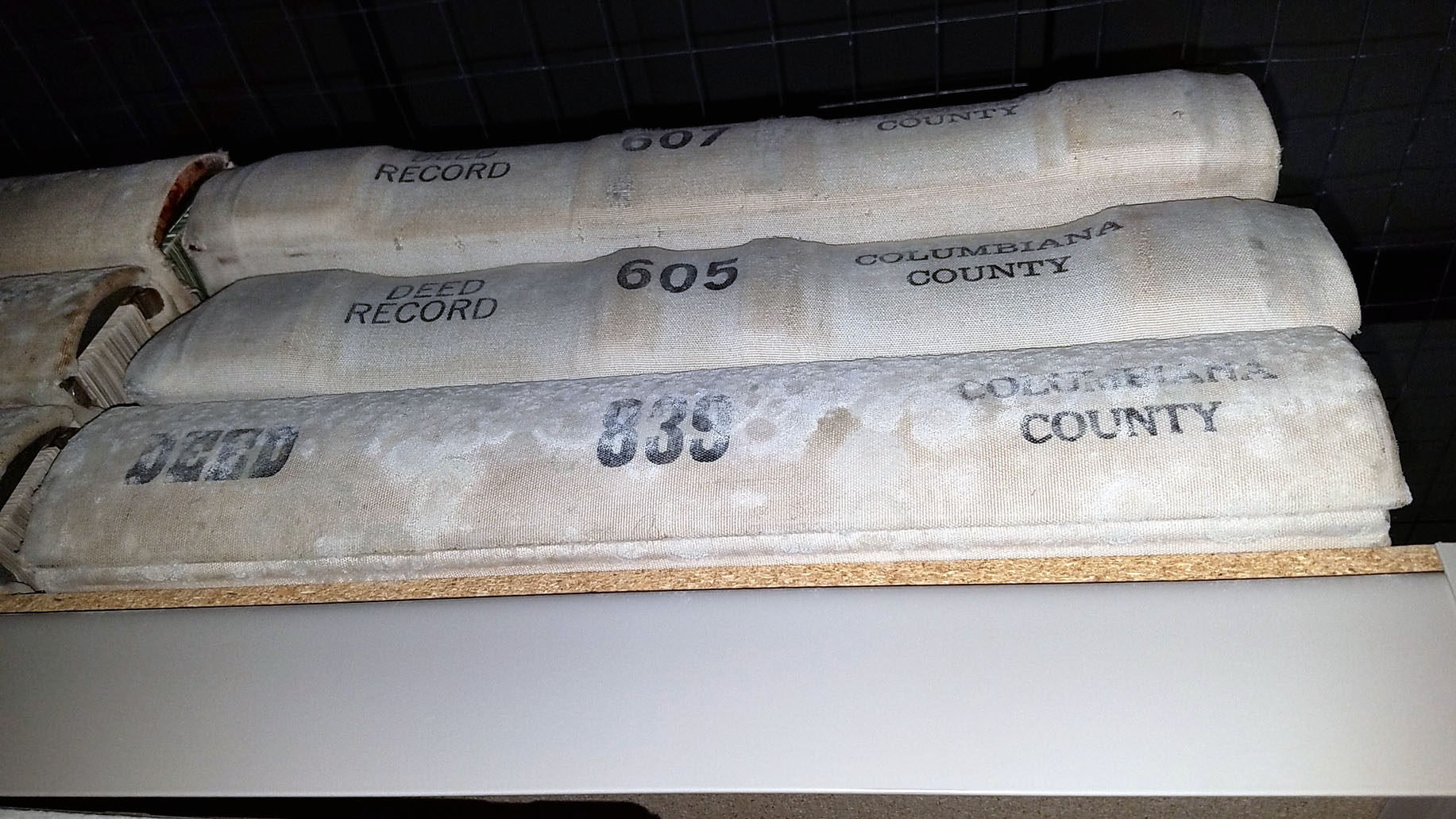
LISBON — Columbiana County commissioners are spending $9,000 to clean county recorder books that became covered in mold while stored in Mahoning County.

Commissioner Tim Weigle reported during this week’s meeting they agreed to retain the services of Farsight Management of Dover to remove the mold and return the books to the county for temporary storage until a suitable permanent home can be found.

The books were moved to Great Value Storage in Boardman by county Recorder Theresa Bosel in 2018. She was having them moved from her main office and secondary location in the county courthouse basement to make more room for public access and protect them from further damage from the public.

Last summer, Weigle said Bosel told commissioners she found many of the stored books had mold and needed rehabilitated. He said Bosel mentioned something about it costing $170,000 to correct the problem, but provided no documentation.

Weigle said commissioners and their staff spoke to her after that, but she still did not present them with a formal plan for addressing the problem. He decided to visit the storage facility in November and found some books were just sitting on the floor instead of shelves. While the storage building had a furnace and air conditioning units, it did not appear to be functioning. “If it was climate controlled, it wasn’t working,” he said.

Weigle took some samples of the mold to be tested. The samples tested positive for Aspergillus/Penicillium, considered to be among the most dangerous types of mold.

That was in December, and Weigle said he found Farsight after seeking help from the county health department.

Weigle estimated there were about 2,000 index books stored at Great Value, and 1,000 have been cleaned so far and delivered in sealed totes to the elections board, where they are stored on shelves for now. He emphasized this is only a temporary arrangement because the elections board basement is not easily accessible to the public who have a need to view the books. The records in the books date back to the 19th century.

“When the new recorder comes in, whoever that might be, they’ll make a decision about what to do with them,” Weigle said.

Bosel is up for re-election this year but she did not make it on the ballot because her candidacy petitions lacked enough valid signatures. She can still run as a write-it candidate if she chooses.

Bosel said she took the books to Great Value because that was the closest climate-controlled facility with available units. “The problem is they apparently never turned the unit on,” she said.

The information contained in these books has been digitally recorded but the original books still need preserved for historical purposes and other reasons, Bosel said.

As for why she never supposedly followed up by providing commissioners with a plan to address the problem, Bosel said that is not true and she “begged” commissioners for help but was told it was her problem.

“I have gone to Tim and followed up often since he said he would try and help. So him acting like he’s saving the day is ridiculous,” she said, adding commissioners are responsible by law for upkeep of the books.

Bosel said she was “glad they are finally doing their job and taking care of these books. They are the county’s history.”

Weigle disputed Bosel’s contention she “begged” for help. He initially heard about the mold problem from his office staff and not from Bosel, and he chose to become involved later because nothing was being done.

Weigle also questioned Bosel’s claim about commissioners being responsible for the books, saying he believes Bosel is in charge of maintaining her office records and they are only required to provide her space for those records.

Commissioner Jim Hoppel, who is in charge of buildings and grounds, said they had nothing to do with Bosel’s decision to move the books and it was not their responsibility to fix the problem. Commissioners have no direct authority over how other elected county officeholders such as Bosel run their office, other than setting budget appropriations.

“This whole problem was created by her,” Hoppel said. “We were never approached by her to take the records out of here. I know I wasn’t. She told us she was going to find storage and she went out and did.”

The $9,000 is coming from the county capital improvement fund, which commissioners will seek to recover by filing an insurance claim. Weigle was asked if they were considering taking legal action.

“I haven’t even looked into that yet. My first priority was to remediate the problem and find someone to clean the books and get that done because nothing was being done,” he said.

tgiambroni@mojonews.com

source https://www.morningjournalnews.com/news/local-news/2020/02/fingers-point-after-county-books-placed-in-storage-develop-mold/

Mold Remediation Atlanta Firm Marks More Than Three Years In Operation — Press Release — Digital Journal

The Decatur-based company offers exciting new mold inspection, removal, cleaning, and remediation specialist services operating in Atlanta and surrounding areas.

Atlanta Mold and Cleaning and Quentin Craft are pleased to announce that the mold remediation Atlanta firm has concluded three years of successful services in Atlanta and the surrounding area. The highly trained mold remediation technicians can quickly, efficiently, and safely remove all mold from homes or buildings, including the hazardous black mold. The primary focus of the company is on residential mold removal, but they also do commercial mold removal as well.

Mold can be very dangerous. It can cause respiratory problems, allergic reaction symptoms, disorders of the nervous system, and also psychological depression. Moreover, some kinds of molds produce what is known as ‘mycotoxins.’ These are extremely threatening, creating a deeply toxic environment for humans and pets. Scientific studies have shown that breathing in large amounts of mycotoxins can result in the entire system becoming impaired, and in severe situations they can cause fatalities. Mold removal is a matter of absolutely crucial importance.

Further details can be seen at https://www.atlantamoldandcleaning.com

When a customer calls for mold remediation, the mold cleaning team is dispatched. They will ask a number of questions to help them ascertain the nature of the problem. Then they will thoroughly inspect the property for any visible signs of mold. Mold, which feeds on water and cellulose, is often not visible to the eye, but there are technologies with which its presence can be detected. There are also technologies to identify hidden water sources.

A spokesperson for the company explained, «After we have carefully analyzed your situation, our first step in remediation will be to contain the mold. We have many different containment procedures, including the use of negative air chambers to isolate all areas of contamination with physical barriers. We might also use negative air pressure to keep mold spores from spreading.  During the mold clean-up process, we will turn off all fans, as well as any heating or cooling systems, to keep the spores from spreading. 

The second step is removing the mold, followed by cleaning the furniture, curtains, clothing, and anything else that has been affected by mold. In addition to cleaning and disinfecting, the possessions will also be deodorized. Depending on the extent of mold damage, its removal and subsequent cleaning may have resulted in things like drywall, carpeting, flooring, and other building materials being removed. In such cases, the restoration will require the drywall to be replaced, or carpeting to be replaced, or walls to be repainted.

Media Contact
Company Name: Atlanta Mold and Cleaning
Contact Person: Quentin Craft
Email: Send Email
Phone: (770) 824-9301
Address:1627 Carter Road
City: Decatur
State: GA 30032
Country: United States
Website: https://www.atlantamoldandcleaning.com

source http://www.digitaljournal.com/pr/4596542

Daytona recreation center appears doomed — Daytona Beach News-Journal

A majority of Daytona Beach city commissioners don’t support sinking money into the 77-year-old City Island Recreation Center that’s been boarded up for close to eight years.

DAYTONA BEACH — Manatee Island, a small land mass in the Halifax River long hampered by homeless people trying to take it over, could become the site of a restaurant and bar nestled in the tree-canopied refuge.

There’s nothing imminent or specific yet with the island oasis restaurant idea. But it’s been discussed as a concept that could become reality in the future, local insurance company magnate J. Hyatt Brown told city commissioners Wednesday night as he updated them on the $18 million Riverfront Park overhaul set to get underway in April.

Commissioners also discussed another Beach Street city property also currently closed off to the public that could be in for big changes. It looks like the riverfront site on Orange Avenue where the City Island Recreation Center has stood since 1943 is about to embark on a new chapter.

Only two of the seven city commissioners spoke up Wednesday night about saving the 77-year-old structure that’s been closed for nearly eight years and saddled with mold, water damage, cracked walls and a buckling wood floor.

City Commissioner Ruth Trager, an octogenarian who has lived in Daytona Beach since she was 14, made a lengthy and impassioned plea to have the small building just east of Beach Street restored and reopened.

“We should be ashamed that such a well-used community asset has been allowed purposely to decline, especially such a historic icon,” said Trager, who has long been involved in local preservation efforts.

There was no decision at the meeting about whether the ailing concrete block structure will be torn down. But that seems to be the direction the city is headed since most commissioners bristled at spending any money on the dilapidated building.

Commissioners didn’t even want to designate the building a local historic site, something the city’s Historic Preservation Board unanimously voted for in November.

If the building is leveled, it would be “a big mistake” and would “disrespect our past,” Trager said.

City Commissioner Paula Reed said the city should never have allowed one of its buildings, especially a historic one, to slide into such severe disrepair.

“We’ve lost a lot of our history in Daytona Beach,” Reed said. “There are so many other things we can do instead of tearing it down.”

City Manager Jim Chisholm said his staff can look for funds to renovate the recreation center, but they would need direction from city commissioners on what they want to happen in the building to know what sort of grants to pursue.

No one on the Commission other than Trager and Reed said they’re interested in sinking money into the structure that for decades was used for dancing, parties, community meetings, elections and yoga classes.

“I see no possibility of this building returning to that kind of glory,” said Mayor Derrick Henry.

In the fall of 2018, city officials were poised to tear down the aging recreation center. When some local residents pleaded for a stay of execution, city leaders hired an architect and engineer who thoroughly examined the 6,000-square-foot building and estimated what various levels of renovation would cost.

The engineer-architect duo estimated renovation would cost anywhere from $762,450 to $1.5 million. The low-end cost of $762,450 would be “the absolute minimum” to allow the building to become operational again, the engineer said in his report.

Trager, a local architect and several local residents argue the building can be rehabilitated for about $250,000.

“If we can spend over $4 million for a homeless center, we can certainly spend $200,000-$300,000 to fix up the rec center,” Trager said.

City Commissioner Rob Gilliland said the city would have to spend at least $750,000 to bring the building up to code, but that would only take care of bare minimum necessities. The real expense would be $1 million to rehab the structure, and then it would cost about $100,000-$200,000 per year to maintain it and have programs there, he said.

“When it comes to a decision on what we can do with our very limited resources, I’m more interested in trying to find ways to deal with things like affordable housing than to try and pump $1 million in a facility that I think won’t get used at all,” Gilliland said.

“We have bigger priorities than that rec center,” he said. “We have infinite needs and limited resources.”

Henry said he would much rather put city money into Riverfront Park than the City Island Recreation Center.

“That’s a complete no-brainer for me,” the mayor said. “I don’t see this as some rich, historical building. I think if we spend $600,000-$800,000 on the building it’s still not going to be used.”

Henry said the Peninsula Club, a city-owned community center on the beachside, could be used for some of the events the rec center had in the past.

Gilliland said the rec hall was “seldom utilized prior to its closure many years ago,” a point Trager disputed. And he said only “a couple dozen people reached out and said they want to see it saved in a town of 66,000 people.“

Some residents suspect top city staff members are trying to steer the recreation center property to the vision in the 2010 Riverfront Master Plan. That plan shows the area the recreation center sits on covered with a new restroom building, parking and picnic lawns.

That green space master plan option is part of a broader vision to add a restaurant, boat docks and water taxi to the narrow strip of land that’s currently also occupied by the Daytona Regional Chamber of Commerce and the old library building used now by the Daytona Tortugas baseball team for offices.

City Commissioner Quanita May said the recreation center property might also be needed for some new enticement to keep the Tortugas playing at Jackie Robinson Ballpark. May also noted that she would rather funnel city money into the Dickerson Center in the Midtown neighborhood, another city-owned community center that’s heavily used every day.

A few local residents made a final plea after commissioners had already made their decision.

“I’ve been struck at how cavalier Daytona Beach has been with its historic structures,” said Daytona Beach resident Sandy Murphy. “The problem with preservation is if you fail, you don’t get another chance.”

source https://www.news-journalonline.com/news/20200220/daytona-recreation-center-appears-doomed