Houston couple frustrated with city’s home repair program for Harvey victims — KHOU.com

HOUSTON — On August 1, 2019 you couldn’t get Antonio Zavala to stop smiling. 

Even the humidity and Houston heat couldn’t break the retired man’s ear-to-ear grin. 

«We feel blessed,» said the 77-year old man. «Our fingers crossed, it will just be two months of us being out of our home.»

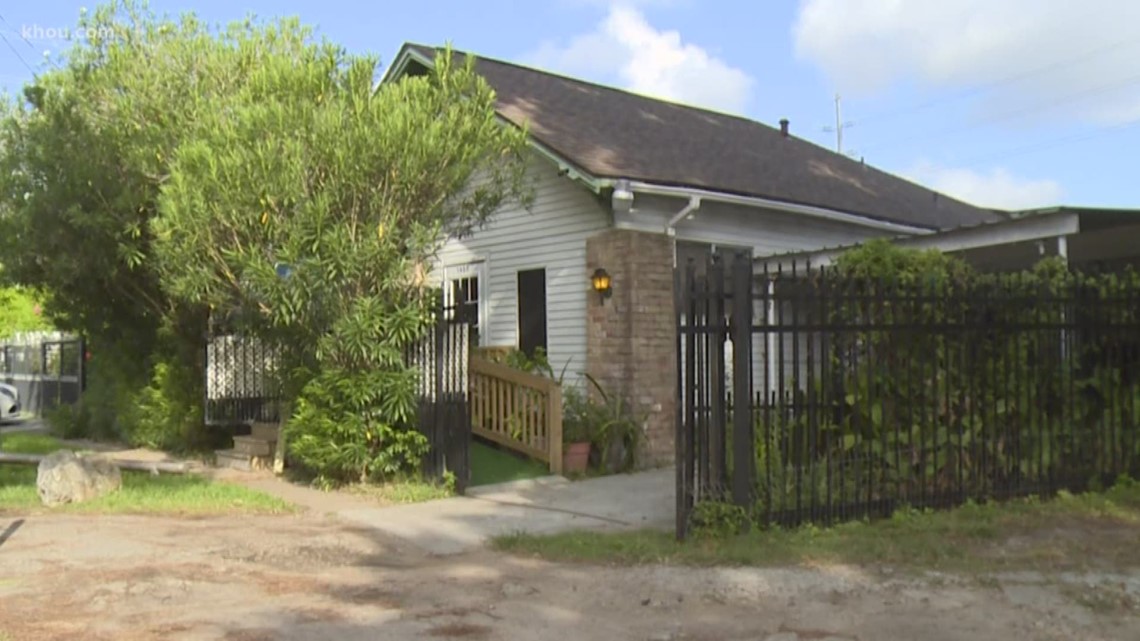
His home, a 1,000 square feet home in the Northside neighborhood, was finally going to be repaired.  

During Hurricane Harvey, wind blew the shingles off his roof. Water dumped into the home, triggering mold and damage to at least three rooms of the home he’s owned for more than 40 years.

Their homeowner’s insurance policy covered $1,000 of the roof repair. FEMA, according to Zavala, denied him financial help because of the insurance money.

«It takes a lot. You have to know somebody that knows somebody that knows somebody, how they went through the process,» said Zavala. «And then you finally call the city and they tell you to go to this person, that person, and you go downtown and you pick up forms and forms and applications and applications and one day they call you and they say come in for an interview.»

Antonio Zavala was one of the first Houstonians to apply for and be approved for the City of Houston’s Homeowners Assistance Program. The program is sort of a last resort for people who couldn’t get financial assistance for Harvey-related home repairs from insurance or FEMA.

On August 1, 2019, Antonio Zavala was so excited to hear that the renovation would be fast. He was told he’d be back in his home within 60 days. «We couldn’t be any happier,» said the retired truck driver. «We got to church every Sunday. We pray for the other people. Hopefully your application goes through.»

More than 17,000 Houstonians have reached out to the City of Houston to begin an application process. You have to be invited to apply, because the city says a case worker works through each homeowner to make sure all available options are offered to the person. You can also apply to get reimbursed for any Harvey-related repairs that you paid for out-of-pocket.

«We want people to know that we have money to do repairs and reconstructions of homes,» said Tom McCasland who runs the City of Houston’s Housing Department. «And that work is beginning now, and it will continue for the next three years.»

RELATED: Still hurting after Harvey? Houston has a BILLION dollars to spend on home repairs

RELATED: Mayor Sylvester Turner speaks on The City Of Houston Homeowner Assistance Program

On October 7, 2019, with the sun still beating down on Houston, Antonio Zavala rejoined KHOU Reporter Melissa Correa outside his home. His energy level had dropped. 

«Every room in the house, they’ve had to redo, over.,» said Zavala. «They’ve had to do all the windows over. Knock’em down and put them back up again. And they only work at night.»

With a new front door installed, the locks had been changed by the construction company that was approved and vetted by the City of Houston. Zavala, can’t go inside his home unless he’s escorted by a city inspector, we’re told for insurance and liability reasons.

«There’s too many contractors involved. One contractor gave us to the second one, the second one gave us to the third one. And we don’t know who’s doing the job.»

The job, is one that’s stretched beyond 60 days. «For the last four weeks it’s been next week. Next week. Have patience. Next week. And I have patience. And I have patience. And I’m a patient man, but when the head inspector tells me, this is terrible. What can I say? It’s terrible work.»

We could not get a specific statement about what the inspector has seen inside the home, but Brittany Hyman, the spokewoman for the City of Houston’s Homeowners Assistance Program, sent this statement:  

«As in any home repair, it’s important that the contractor delivers a quality project to the homeowner. That is the purpose of our inspection punch list, and we are working with the Zavala family to get them back in their home as quickly as the remaining punch list items are resolved.»

The City of Houston kicked off its Harvey-related Homeowner Assistance Program in April 2019. Construction began in late April/early May. 

As of September 26, 2019 Harvey funds totaling $5,234,478.81 have been awarded or paid.

  • Reimbursement Checks Paid – $313,134.03
    • 19 reimbursements issued

As of October 4, 2019, the City of Houston has approved 50 rehabilitation/reconstruction projects for a combination of city-managed repairs and reimbursement at a total of $4,921,344.78.

  • 4 Rehabilitations complete
  • 1 Reconstruction complete

The Zavala’s project budget has soared as the week’s roll on. «It was $62,000 and we’re up to $82,000 with all the amendments,» said Zavala.

ALSO POPULAR ON KHOU.COM

source https://www.khou.com/article/news/local/houston-couple-frustrated-with-citys-home-repair-program-for-harvey-victims/285-de4051bd-2568-47e7-9981-5f5e706fdff8

Advertiser: Why You Need Climate-Controlled Storage in New Orleans — UptownMessenger.com


The weather in New Orleans can be unpredictable. But if you know Louisiana, one thing you can almost always count on is the heat and humidity.

Keeping some things in storage can be difficult because certain items like clothes, artwork, and furniture are more susceptible to damage from extreme changes in temperature from severe heat or cold. That’s why climate-controlled options are necessary for storage in New Orleans.

Here are just a few reasons why climate-controlled storage is so critical:

  • Clothes can easily become mildewed if they are exposed to heat for too long. The humidity in the air causes extra moisture, which is a breeding ground for mold to grow.
  • Photos can become damaged as a result of heat and humidity as well. Especially if photographs are stacked on top of one another, they can easily become stuck or deteriorate.
  • Different types of furniture can be damaged by the weather. Wooden furniture can mildew, rot, or warp, potentially destroying your entire piece. Leather furniture can crack or mildew as well.
  • Electronics, such as appliances or computers can be completely ruined by moisture. Screens usually do not fare well under extreme temperatures and humidity is generally the enemy of most electronic goods. These conditions can also cause a build-up of mildew inside hoses and other parts of home appliances.
  • Books, comics, or other important papers can be damaged or destroyed due to heat. The humidity can take a toll on your paperwork or favorite issue of Batman.
  • Instruments need to be kept in a certain temperature setting. Instruments are made from delicate materials such as brass, silver, copper, or wood. These materials can’t be exposed to extreme temperatures. Rust, warping, and other damage can also occur. All that damage can lead to a hefty fee for repairs.

The Importance of Climate-Controlled Storage in New Orleans

Having climate-controlled storage can be an effective tool to help fight the wear on your belongings while they’re in storage. Climate-controlled facilities have good air quality, meaning that you have an extra layer of protection from dust, dirt, and debris. Clean air is continually circulated within the unit, leaving behind a safe environment for your things.

Climate-controlled storage will also save you money in the long run, preventing potential damage that could happen to your belongings if you opt for regular, non-controlled storage.

Zippy Shell of Louisiana offers two container options that all help prevent damage due to inclement weather and extreme temperatures. Their 15-foot container will be delivered directly to your location. Once packed, the container is picked up and taken to their climate-controlled facility in Elmwood to be stored safely until needed again.

Zippy Shell also offers a smaller storage option through its “Extra Attic” system. This option is ideal for seasonal decorations, costumes, student storage, and any other smaller occasional household items. You choose how many bins you need and Zippy Shell delivers them right to your door. Once packed, these containers are also picked up and taken to their climate-controlled facility to be stored. Any of these two container options will keep your stored items safe from Louisiana’s extreme temperatures and humidity.

Zippy Shell Is Your Local New Orleans Storage Facility

While climate-controlled storage might cost a little more upfront than regular storage units, it’ll be less expensive in the long run, and it’ll ensure that your keepsakes and other irreplaceable items remain safe and sound.

Contact Zippy Shell of Louisiana for all of your climate-controlled storage needs. They offer flexible solutions for all of your most treasured possessions.

source http://uptownmessenger.com/2019/10/advertiser-why-you-need-climate-controlled-storage-in-new-orleans/

Mold Exposure Concerns Cause Students and Teachers to Move from Elementary School in Northern California — WebWire

Students and teachers from an elementary school in Northern California had their classes moved from their school building to several nearby schools earlier this year. According to an article from the Daily News, the temporary relocation happened after mold was discovered in the historic school building that was undergoing renovations as part of a modernization program.

source https://www.webwire.com/ViewPressRel.asp?aId=248168

Mold find concerns SSU’s South Campus students | News | salemnews.com — The Salem News

<![CDATA[

]]>

<![CDATA[

]]>

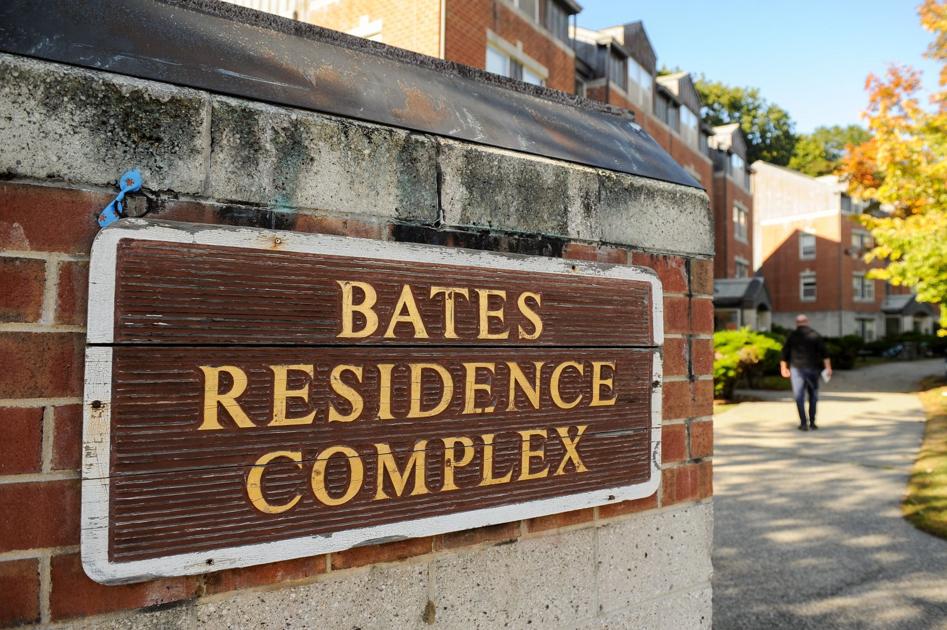
SALEM — A Salem State University student is raising concerns about mold in rooms of the Bates Complex on South Campus after she says the on-campus apartment she and her roommates had lived in for about a month was found to have mold growing in the upstairs bathroom.

A room downstairs was also found to have mold.

The five roommates first learned that their room might have mold over a week ago, and after the university and crews responded, they and another group of students who lived below them were moved to new apartments. 

A university spokesperson said the two apartments were «tested, cleaned and retested,» and that students will not return to them until they are deemed safe.

«We are very frustrated by the way the school is handling the issue,» said Summer Pearson, 20, of Worcester, in a message on Facebook, which was emailed to The Salem News.

She and three of her five roommates were interviewed and expressed concerns about the inability to get swift answers about mold in unit 13D in Building 13. 

The young women have since been moved to another apartment in the Bates Student Housing Complex on Harrison Road, which houses 360 juniors and seniors in 60 six-person apartments, according to the university’s website. Townhouse apartments consist of rooms on two levels.

«Not only have we been living in that condition for a month, we have been denied meetings and information. My roommates and I have been advocating for ourselves and have been shut down and treated like we are children,» she said.

Don’t want it to happen to others’

The young women said they like the set up of their rooms, and are fond of the university and their professors. But, they were unhappy that they had been placed in a room that had mold in the first place. And, they did not like the runaround they were given looking for answers.

«My take on all of this, as much as I love this university, is it has been extremely frustrating and the reason why we are reaching out is because we don’t want it to happen to others again,» said roommate Mallory McFadden, 20, of Woburn, a junior. Roommate Ashleigh Tedstone, 20, of Hudson echoed those sentiments.

The university says it has taken the students’ issues seriously.

«Students were immediately offered opportunities to move to comparable apartments after mold was reported in two units,» said Nicole Giambusso, the university’s director of public relations, in an email.

«Some students accepted the offer to move last week and others this week,» Giambusso said. «The two apartments have been tested, cleaned and retested, and the students will not be allowed to return to these units until testing confirms that they are safe. Student life and facilities have been working closely with the students from the beginning and will provide ongoing support. We are not aware of any other reports of mold on campus at this time.»

According to a mold assessment report done after the rooms were cleaned by occupational health and safety and environmental consultant OccuHealth Inc. of Mansfield: «Based on observed conditions and laboratory results, OHI concludes that airborne mold levels are amplified above normal ranges in (the downstairs unit) and the upstairs bathroom of unit 13D. Mold growth that was visible on the ceilings of both rooms appears to have been successfully remediated which is supported by both surface sampling and visual inspection.»

‘Amplified mold levels’ 

On Wednesday, Sept. 25, Pearson and her roommates became concerned about mold when students living downstairs alerted them to it, according to her post.

When they moved in, they thought the mold in their upstairs bathroom was due to past water damage, Pearson said.

The roommates reached out to the graduate resident director, who asked them if they wanted to move that night, but they declined, Pearson said.

The next day, according to Pearson, maintenance and facility crews came in to take air and mold samples. The students were told they would have results the next day, and that people would arrive to clean the bathroom.

Last Friday, Pearson said cleaners with masks shut down the bathroom, but the students did not receive test results, she said. Then, she said, the door was unsealed and their items were put back into the bathroom. A few hours later, they were told not to go in the bathroom, and to put a note on the door not to use it.

On Monday, workers wearing masks came back, Pearson said. They heard nothing official on Tuesday.

The post remediation mold assessment states that mold growth was observed on the ceiling of the bathroom on Sept. 26, and visible mold growth was removed the next day. The consultant checked the room again on Sept. 30. 

The consultant recommended further evaluation, and that people should not live in the apartments until more is known and more cleaning is done.

«Reoccupancy of the rooms will be recommended when the source and cause of the amplified mold levels is understood and controlled,» the report said. 

One type of mold found above normal levels is usually associated with decaying plants and wood and are sometimes found indoors, the report stated. These types of mold have allergenic properties, but generally pose no health concerns. The source of the mold is unknown.

The report found something strange in that the airborne mold spore levels increased after the unoccupied rooms had been cleaned. Surface mold was not detected in either of the rooms after the rooms had been remediated.

On Wednesday, Pearson said she and her roommates ran around campus looking for answers. The upshot was the students moved into a new room on Wednesday at 10 p.m. which was a late hour and inconvenient time. They said the incident has also led them to miss some classes and caused them stress trying to get answers.

The university did provide them with $100 each for incidentals related to the temporary move for expenses such as food and laundry, Giambusso said.

Awaiting final report on mold

Pearson, who said she had beenfeeling tired all semester, said one of her roommates had been seeing a doctor after not feeling well due to some sort of unknown allergic reaction. When interviewed, the roommate confirmed this, but did not want her name used in the story.

The state Department of Health’s Bureau of Environmental Health Indoor Air Quality program did not receive any complaints about this incident, and mold and mold-related illnesses are not reportable conditions in Massachusetts, according to the department.

Salem State University’s maintenance and facilities department would be the one to handle such complains, the state agency said, and the university is not under local health or Department of Public Health jurisdiction. Mold found in a living space means there is a water issue that has to corrected, the agency said.

Health issues can occur in people sensitive to mold, and that might include allergic reactions or the worsening of asthma.

It’s not uncommon to field complaints of mold on campus this time of year, Giambusso said.

«We typically receive a few such reports across all campus housing in the fall and we address them immediately while advising students on practices that can help prevent mold. Other reports have been made and addressed this year,» she said.

«At this time, it appears that this was contained to two apartments, which would not warrant alerting the Department of Public Health. However, we are awaiting further testing results and will alert the department if we believe there is a larger public health threat,» Giambusso said.

The roommates said they plan on meeting with a residence life official and are awaiting the final report on the mold.

Staff writer Ethan Forman can be reached at 978-338-2673, by email at eforman@salemnews.com or on Twitter at @TannerSalemNews. 

<![CDATA[

]]>

source https://www.salemnews.com/news/mold-find-concerns-ssu-s-south-campus-students/article_5cb2781e-eb7e-551a-9919-c3a1532f59dc.html

NEW INFO: Mold and moisture discovered in Student Union venting — — The Wright State Guardian

Fans used in areas of Student Union | Photo by Sarah Cavender | The Wright State Guardian

Fans used in areas of Student Union | Photo by Sarah Cavender | The Wright State Guardian

On Thursday morning a communication email was sent out to the campus community concerning a malfunction in their heating, ventilation and air conditioning systems. 

“Repairs are likely to impact space availability and/or room climates in multiple areas of the Student Union,” according to the communication e-mail. 

INCLUDING:

  • Discovery Room
  • Men’s and women’s reserve locker rooms
  • Racquetball courts
  • Billiard
  • Ping-pong gaming area
  • Climbing wall
  • Exercise studios
  • Personal assistance station

According to Marjorie M. Markopoulos, Director of Environmental Health and Safety, The health and safety of the Wright State campus is a top priority. 

“As soon as the potential for the presence of mold was determined to be a possibility, our resources were deployed and began to conduct an evaluation to determine the immediate impact for the university.”

It is currently too early to provide an accurate assessment of the extent of the damage. 

“Right now it is too early to provide an accurate assessment of the scope and extent of the damage as this incident is in the early stages. Additional evaluations are underway.” said Markopoulos.

“It is important to note that the air test samples taken at the Student Union showed very low mold levels when compared to the outside mold levels. These levels were reviewed and assessed by an external indoor environmental professional to assure the safety of our community.” said Markopoulos.

Fans used in areas of Student Union | Photo by Sarah Cavender | The Wright State Guardian

Accoridng to APA and CDC some people can be sensitive to mold, which could cause health problems. 

If an employee or student starts to experience lung – related medical problems, they are encouraged to consult a health care provider in a timely manner.

An investigation was launched after several members of the Wright State University’s staff noticed a moldy smell.

According to the email, surface samples showed elevated mold accounts, and air samples showed relatively low amounts of mold. 

The handler has now been turned off due to cautionary measures. Portable air conditioners or dehumidifiers are being placed in areas around the Student Union in order to temporarily adjust the air quality and temperature. 

The malfunction of the HVAC unit will cause several implications to Wright State Students. 

Students visiting the student union can expect to experience limitations in accessibility in the Student Union and uncomfortable climate changes. 

This is a breaking story and The Wright State Guardian is working to gather more information. We will continue to update this story.

source https://wsuguardian.com/new-info-mold-and-moisture-discovered-in-student-union-venting/

Harry Mold strikes back at the dirty snakes in our lives with ‘Python’ — Vanyaland

Back in June, Harry Mold caught our attention all the way from London with “Drain”, a guitar-rock lightning jolt of a tune all about breaking out of routines and fighting off the same old mundane shit. Today, he’s back, good on his word, hitting us from a fresh sonic angle via his new single “Python.”

Where “Drain” punched you in the face and was quick to release, pulling back to witness the damage, “Python” grips tightly and never lets go. It’s a musical descendent of The Verve and those early Arctic Monkeys records, and it contains the same type of lyrical vitriol that makes the 20-year-old musician they call “H-Bomb” one of our favorite new talents of of the bursting UK guitar-rock scene.

‘Python’ is a song I wrote for the ‘snakes’ that surround us,” Mold says. “It was written as an immediate response to a close friend being sleazy behind my back. My raw and honest ‘fuck you’ to those types.”

We all have those in our lives. But they’re soon making space for Harry Mold, who continues to give us the music that soundtracks our frustration with modern life.

Hit play on “Python” below, out today on Touch Recordings, and catch Mold live in London October 11 at Brixton Jam and October 15 at Groucho Club, and October 26 at Southampton’s Heartbreakers Bar.

source https://vanyaland.com/2019/10/04/harry-mold-strikes-back-at-the-dirty-snakes-in-our-lives-with-python/